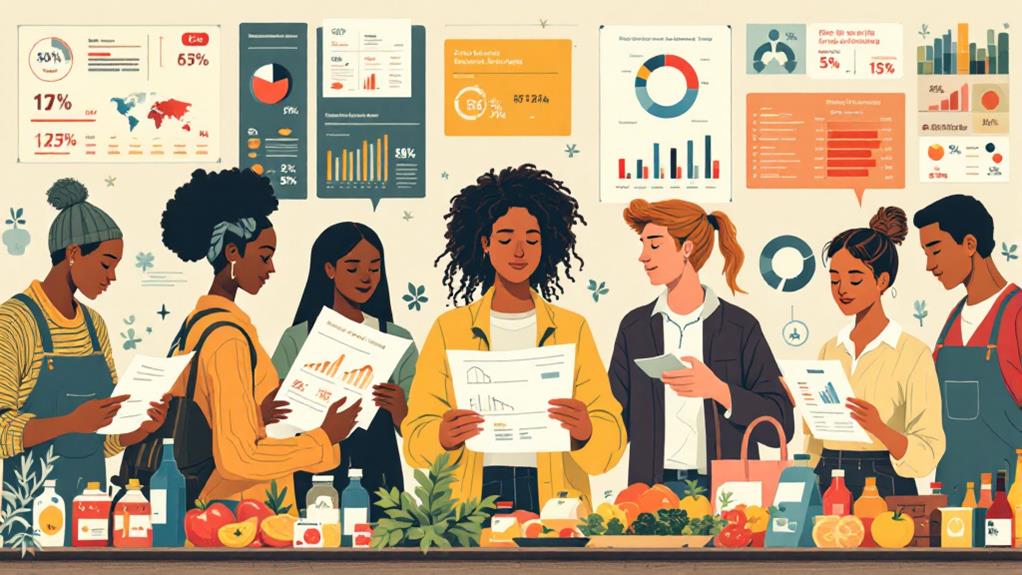
Who Are Conscious Consumers? Understanding the Modern Ethical Shopper

Conscious consumers are savvy, socially-aware shoppers who make ethical purchasing decisions. They research brands, certifications, and supply chain transparency to validate sustainability claims. This growing segment wields significant market influence, driving businesses to adapt their merchandise to cater to the increasing demand for conscious consumption. Conscious consumers support brands demonstrating a genuine commitment to sustainability and fair labor practices, and they're willing to pay more for eco-friendly and morally-sourced products. To learn more about the rise of ethical consumerism and the impact of conscious shoppers, read on.
The Rise of Ethical Consumerism
Ethical consumerism has shifted from a niche movement to a mainstream market force, reflecting a more informed and engaged public. Consumers now have greater access to information that empowers them to make more ethical choices. This has led to a global and interconnected standpoint on sustainability, driving significant market transformation.
The rise of ethical fashion is a direct result of consumer demand for sustainable and responsible options. Shoppers are voting with their wallets, seeking brands that align with their values. Sustainability has become a strategic imperative for businesses, as they aim to tap into the growing market for ethical fashion.
Conscious consumers are shaping the future of retail. Their environmental and social impact is driving brands to rethink their practices and products. This shift towards ethical consumerism reflects the power of informed and engaged individuals to create positive change through their purchasing decisions.
The Influence of Consumer Awareness
Consumers now wield immense power in shaping the future of retail. Thanks to greater access to information, conscious consumers are making more ethical choices, driving significant market metamorphosis. The need for collective action through conscious consumerism has never been more urgent, given the impacts of climate change and social injustice.
By aligning their brand values with consumer sustainability goals, companies can tap into the growing market for ethical products and services. Understanding the mindset of different consumer segments is indispensable for brands to effectively meet the demand for ethical and eco-friendly wares. The power of ethical shopping lies in its collective impact on shaping market trends and driving corporate practices towards greater sustainability.
Conscious consumers are holding companies accountable for their environmental impact and ethical practices. This shift in consumer purchasing decisions is pushing corporations to prioritize sustainable practices and embrace corporate social responsibility. The influence of conscious consumerism is shaping the future of the retail milieu.
Statistics and Trends in Ethical Spending
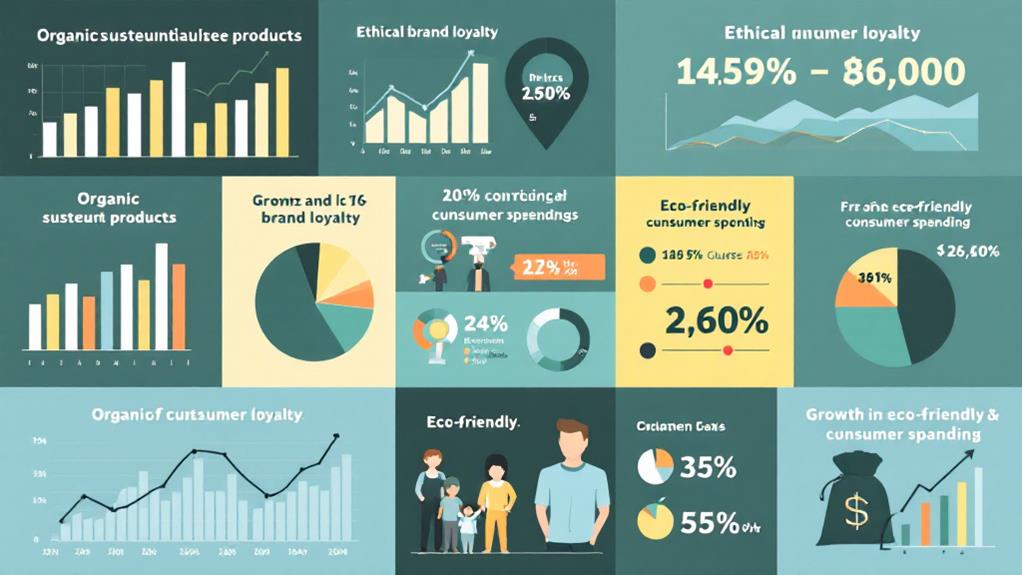
The numbers paint a striking illustration of the ethical spending surge in recent decades. From 1999 to the present, the total UK ethical expenditure has skyrocketed from 17 billion to over 141 billion pounds, clearly showcasing the growing appetite for conscious consumerism. This trend has outpaced conventional market growth, reshaping the expectations and shopping habits of today's consumers. In fact, one in three UK consumers have ceased purchasing certain products due to ethical or sustainability concerns, demonstrating the power of their values-driven decisions. Additionally, over 60% of US consumers are willing to pay a premium for sustainability-labeled products, highlighting their strong support for environmentally friendly business practices. The ethical shopping movement has become a pivotal force in the marketplace, reflecting a fundamental shift in societal values towards more conscious and socially responsible product choices.
Navigating Product Origins and Certifications
As the ethical spending surge continues, conscious consumers now seek greater transparency into the origins and supply chains of the products they purchase. Navigating the complex web of ethically sourced and sustainable products can be challenging, but conscious consumers are committed to making informed decisions. They research brand sustainability commitments, look for fair trade and other ethical certifications, and scrutinize manufacturing processes to guarantee workers are treated fairly and the impact on the environment is minimized. The credibility of these certifications can vary, so conscious consumers must dig deeper to validate claims. While the complexity of global supply chains poses obstacles, the collective impact of conscious consumers voting with their wallets can drive significant changes in market trends and corporate practices toward greater transparency and sustainability. Ethical consumerism empowers individuals to make purchasing decisions that align with their values and principles.
The Business Case for Sustainability

With consumers increasingly prioritizing sustainability, businesses have a clear incentive to adopt eco-friendly practices. Socially conscious shoppers are more likely to support brands that demonstrate a commitment to sustainability. As this shift towards sustainable products continues, savvy companies are recognizing the environmental and social benefits that come with responsible business practices.
When it comes to product origins, conscious consumers want to know if a product is ethically sourced and manufactured. They're willing to pay more for items that align with their values, driving positive change through their purchasing power. Ethical fashion, for instance, has seen a surge in popularity as shoppers seek out brands that prioritize sustainability and fair labor.
Ultimately, the business case for sustainability is persuasive. By embracing sustainable practices, companies can attract and retain a growing base of eco-conscious consumers, strengthening their financial position while contributing to a more sustainable future.
The Impact of Conscious Consumerism
Conscious consumerism has had a deep impact on businesses worldwide. Social media has amplified social movements, pressuring brands to align their deeds with their sustainability and moral claims. Over 50% of consumers are more faithful to brands with environmentally-friendly and moral business practices, particularly among millennials and parents. Consumers are increasingly willing to pay more for sustainable products, highlighting the significant market opportunity for brands committed to sustainability.
Brands that prioritize corporate accountability and build trust through transparency are reaping the rewards. 45% of consumers are willing to pay more for sustainable products, and 54% are more devoted to brands with environmental and moral practices. The pandemic has further reinforced these trends, with 61% of consumers preferring to shop local and neighborhood stores. Conscious consumers wield significant influence, and their impact on purchasing decisions is driving businesses to support sustainable and moral practices as a market force. These shifting shopping habits highlight the importance for brands to align their deeds with consumer values.
Sustainable Lifestyles and Brand Alignment

Sustainable lifestyles have become the norm, with two-thirds of U.S. consumers acknowledging the adverse impact of environmental issues on their current and future health. Gen Z and other conscious consumers seek products that align with their personal values, researching claims and comparing brands both online and in-store. Brands and retailers must understand the differences in consumer standpoints on transparency to meet the developing expectations of this growing segment. Transparent communication of product details, including health, wellness, and sustainability characteristics, across all channels is pivotal for brands to gain market share. Aligning brand vision with consumer values and offering an elevated, simple in-store experience to find products that meet their sustainability and ethical standards is essential for sustainable business growth. Conscious consumers demand transparency and ethical practices, driving brands to rethink their strategies and adapt to the changing climate of consumer behavior and values.
Related posts