
What Percent of People Consider Themselves Conscious Consumers? A Statistical Insight
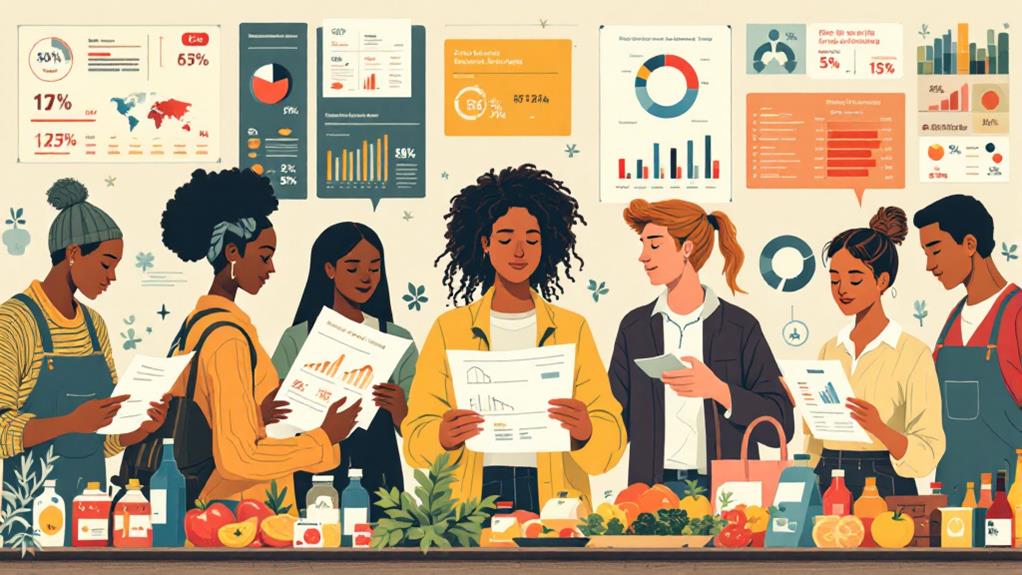
Nearly 90% of Americans identify as conscious consumers - a staggering percentage that highlights the growing power of this segment. These consumers make deliberate, informed choices, recognizing their purchasing influence. They demand transparency and are willing to pay more for sustainable products. While the US lags behind countries like Brazil and China in conscious consumption rates, the trend is undisputedly on the rise, especially among younger generations. To better understand the intricacies and implications of this phenomenon, let's explore deeper into the research.
Defining Conscious Consumers
Nearly 90% of Americans identify as Conscious Consumers, who make deliberate, informed choices and recognize their purchasing power to improve the world. These Conscious Consumers demand transparency from companies and are willing to pay more for products with proven sustainability benefits. They consider the environmental, social, and economic impacts of their purchases, going beyond just product features.
According to consumer discernments, the prevalence of Conscious Consumers is highest among Millennials at 62%, compared to 51% among Boomers. This shift in consumer attitudes has been solidified by the pandemic and social justice protests, with over two-thirds of consumers reporting being more socially conscious. Defining Conscious Consumers is essential for businesses to understand the growing demand for sustainable and ethical products. By tapping into this market, companies can align their offerings with the values of this influential consumer segment.
Global Trends in Conscious Consumption
Across the globe, conscious consumption is gaining traction, with countries like Brazil and China leading the charge. According to the Statista survey, a remarkable 84% of Chinese adults consider themselves ethical and sustainable consumers, while Brazil boasts a 62% rate. In contrast, the U.S. lags behind with only 45% of adults self-identifying as conscious consumers, while 26% do not and 30% are unsure.
These global differences may be attributed to a variety of factors, including cultural attitudes, economic conditions, and government policies that shape consumer behaviors. Brands catering to conscious consumers must pay close attention to these regional variations, adjusting their sustainability messaging and product options accordingly.
Nonetheless, the survey reveals a growing awareness of the importance of sustainable practices, with factors such as environmentally friendly packaging, animal welfare, and fair labor practices playing a vital role in shaping consumer preferences. As the demand for sustainability continues to rise, brands must adapt to meet the changing needs of this increasingly conscious consumer base.
Generational Differences in Eco-Awareness
Why are younger generations more inclined to ponder themselves conscious consumers? The data indicates that Millennials (62%) and Gen Z are more likely to examine themselves conscious consumers compared to older generations like Boomers (51%). This trend could be attributed to the growing emphasis on sustainability and eco-friendliness among younger shoppers.
Notably, over 75% of consumers under 35 report a willingness to pay more for sustainable and eco-friendly products. In addition, younger shoppers place greater importance on factors like diversity and environmental responsibility when deciding where to spend their money, with nearly 40% of Millennials prioritizing shopping at Black and minority-owned businesses. This conscious consumerism is further reflected in the fact that Millennials are more influenced by companies' social and political stances, with 25% affected by these factors when making purchasing decisions.
The data suggests that the younger generations' heightened awareness and contemplation of sustainability and social responsibility are shaping their consumer behaviors, making them more inclined to identify as conscious consumers.
Sustainable Consumption Across Industries
How are conscious consumers reshaping industries beyond just grocery? The rise of sustainable brands and environmentally friendly practices extends far beyond the grocery aisle. In the fashion industry, secondhand and sustainable options are increasingly sought after by consumers, particularly Millennials. Over one-fifth of respondents reported shopping at Black and POC-owned businesses in the past year, indicating a desire to support socially-conscious brands.
Eco-Friendly Products are also making inroads in other sectors. Nearly one-fifth of Millennials prioritize diversity in their spending, driving companies to adopt more inclusive practices. One-quarter of Millennials even reported being affected by companies' stances on political or social issues, underscoring the importance of values-driven marketing. As conscious consumers continue to exert their influence, industries across the board will need to adapt their proposals and operations to meet the growing demand for sustainable and socially-responsible products and services.
Perceptions vs. Actual Buying Behaviors

While many consumers profess a commitment to sustainability, their actual purchasing behaviors often tell a different story. Although 78% of consumers agree that sustainability appeals to them and want to live sustainably, the data reveals a significant gap between perceptions and reality.
- Only 45% of U.S. adults consider themselves ethical and sustainable consumers, while 26% do not and 30% are unsure.
- Sustainable products make up just 17% of the market, despite growing 2.7x faster than conventional products.
- Key factors like environmentally friendly packaging (46%) and animal welfare (46%) are important to consumers, but these priorities don't always translate to actual buying decisions.
- Across countries, Brazil and China have higher rates of sustainable consumption at 62% and 84% respectively, compared to lower percentages in the U.S., U.K., France, and Germany.
The data suggests that while consumer attitudes toward environmental sustainability are shifting, there is still work to be done to bridge the gap between perception and real purchasing behaviors.
Barriers to Sustainable Purchasing
Despite consumers' stated priorities for environmentally friendly packaging and animal welfare, there seem to be significant barriers preventing them from fully embracing sustainable purchasing habits. The perception of higher prices for eco-friendly products is a primary obstacle, with 75% of global consumers feeling that these products have become more expensive over the last year. This perception is further reinforced by the fact that 79% of consumers consider green transport options like electric vehicles to be more costly compared to conventional alternatives.
The pandemic has exacerbated this issue, as consumers' willingness to pay more for products that benefit society and the environment has decreased from 58% to 55% globally. This trend highlights the growing importance of Corporate Social Responsibility (CSR) and the need for businesses to offer sustainable options at accessible prices. Overcoming these barriers will be essential in cultivating a more conscious consumer base and driving meaningful change towards a more sustainable future.
Role of Brands in Conscious Decisions
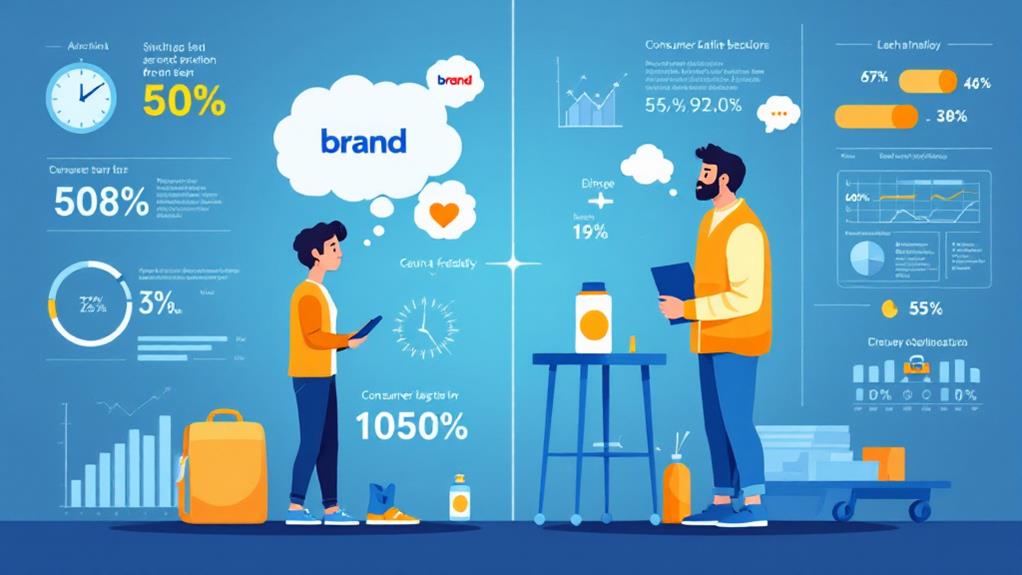
Brands play a crucial role in shaping conscious consumer decisions. According to the statistics, 84% of consumers will turn away from a brand due to poor environmental practices, while 79% are more likely to trust a brand's sustainability messaging. Eco-friendly certifications, labels, and third-party recommendations also influence purchasing decisions for conscious consumers.
- Consumers are willing to engage with and remain loyal to brands that effectively communicate their sustainability credentials.
- Brands that fail to meet rising sustainability expectations risk severe damage to their reputation and market share.
- Brands that are influenced by society and the environment, and communicate this effectively, can build trust and loyalty with conscious consumers.
- The power of brands to shape consumer decisions highlights their responsibility to prioritize sustainability and transparency in their operations and messaging.
Impact of Economic Conditions
The rising cost of living is a significant factor influencing conscious consumer behavior. As economic conditions tighten, 75% of global consumers are trading down, indicating that even the most eco-conscious individuals are compromising their values due to financial pressures. This trend is especially pronounced among Gen X, who are juggling the competing priorities of political issues, the lingering effects of the COVID-19 pandemic, and the rising cost of living.
Consumers now view green transport and eco-friendly products as more expensive, with 79% and 75% respectively considering these options to be out of their financial reach. Consequently, the willingness to pay a premium for sustainable brands has declined from 58% to 55% globally. This suggests that when faced with economic challenges, consumers may be forced to prioritize affordability over environmental concerns, posing a significant hurdle for conscious consumption.
Related posts