What Is the Oldest Way of Marketing?
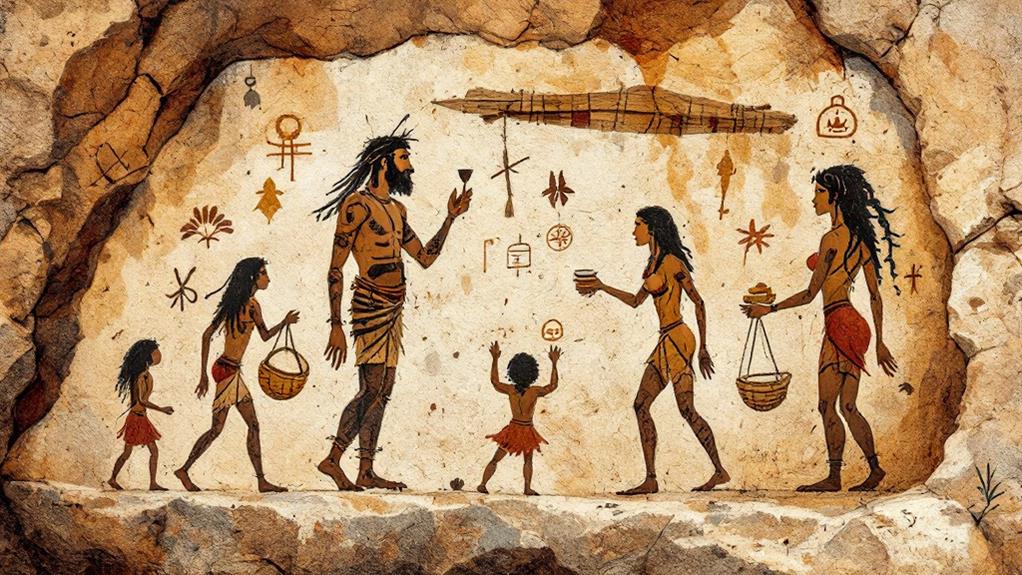
The oldest form of marketing can be traced back to the unique signature marks used by Mesopotamian societies. These early logos signaled a vendor or merchant's identity and product quality, allowing them to build brand recognition as trade between societies grew. The invention of the printing press in the 1400s revolutionized this practice, enabling mass reproduction of logos, text, and other promotional materials. From the emergence of magazines and billboards to the rise of radio, television, and digital marketing, the rich history of marketing reveals centuries of innovation. Plunge deeper, and you'll uncover how the roots of modern branding continue to evolve.
Early Use of Logos and Branding
One of the earliest forms of marketing can be found in the use of logos and branding by Mesopotamian societies. As these societies began mass-producing goods, they recognized the need for quality control. Producers started stamping their products with a unique signature mark, the earliest form of a logo. These logos signaled to buyers the specific vendor or merchant of the product, allowing consumers to return to the same vendor for goods of equal quality.
Logo usage grew in importance as trading developed between societies, as logos allowed for the identification of products and their origins. The invention of the printing press in 1450 CE further enabled the mass reproduction of logos on paper mediums, allowing producers to reach larger audiences through books, posters, and papers. Producers could now relay their brand through written words beyond just the product, marking an early form of print advertising. This evidence of marketing through logos demonstrates the long-standing importance of branding in commercial activities.
The Invention of the Printing Press
The invention of the printing press in 1450 CE by Johannes Gutenberg revolutionized the marketing environment. This pioneering technology enabled mass reproduction of logos, text, and other printed materials, marking the earliest forms of widespread print advertising. With the printing press, producers could now relay their brand identity through written words and imagery beyond just the physical product itself.
The printing press facilitated the growth of magazines, billboards, and other emerging advertising mediums in the 18th and 19th centuries, laying the foundation for modern marketing practices. This standardized, mass-producible platform allowed producers to reach larger audiences through books, posters, and newspapers, which was a significant shift in Marketing history. The invention of the printing press revolutionized marketing by providing a more efficient and effective way to disseminate logos, advertisements, and other promotional content.
Emergence of Magazines and Billboards

Following the invention of the printing press, two key advertising mediums emerged that would significantly impact the marketing terrain - magazines and billboards. In the 1730s, Englishman Edward Cave introduced magazines to appeal to the mass public. These publications provided businesses with a new platform to reach broader audiences beyond their local markets. Decades later, billboards on street railways appeared in 1850, enabling companies, government, and individuals to communicate with large crowds.
The standardized billboard industry took off in 1867, sparking new opportunities for marketing and advertising. During wars, these mediums proved crucial, serving as outlets for army recruitment and workforce campaigns like the iconic "Rosie the Riveter." Magazines and billboards paved the way for businesses to expand their reach and visibility, reshaping the landscape of marketing and advertising forever.
Marketing Through Radio and Television
Alongside the rise of magazines and billboards, the advent of radio and television fundamentally altered the marketing milieu. Radio advertising first emerged in 1922 when the first paid radio ad aired for a mere $100, marking the start of a fresh chapter. By 1930, radio advertising had reached 90% of stations, allowing companies to reach large audiences with their messages. This rapid growth showcased radio's power as an effective marketing tool.
The introduction of television commercials in 1941 further revolutionized advertising. Bulova Watch Company's $9 ad ushered in a new visual experience for viewers. The following decades saw the rise of simple, family-friendly TV ads with catchy jingles, arresting the attention of the public. Today, while digital advertising shares the spotlight, television remains an essential part of the marketing mix, offering a unique platform to engage with consumers.
The Rise of Digital Marketing
2 decades into the 21st century, digital marketing has firmly established itself as the dominant force in the marketing terrain. First introduced in the 1980s, the metaverse concept foreshadowed the future of digital marketing. The rise of search engine marketing in the 1990s allowed businesses to reach customers through search engines, while marketing automation software enabled more efficient and targeted campaigns. The first online banner ad in 1994 marked the beginning of digital advertising, and social media platforms like ClassMates in 1995 paved the way for new digital marketing strategies and customer interactions. Today, digital marketing practices have become an essential part of any expansive marketing strategy, offering businesses unparalleled opportunities to connect with their target audience in innovative and measurable ways.