
What Is Shock Marketing?

Shock marketing is a bold advertising strategy that uses provocative, taboo, or controversial content to capture attention and challenge societal norms. It's designed to cut through digital clutter, build brand awareness, and spark conversations. Though it can increase brand recall and engagement, shock tactics are a double-edged sword that can alienate audiences and damage reputations if not executed meticulously. Navigating the ethical implications and audience sensitivities is pivotal - but if done right, shock marketing can be a powerful tool to differentiate your brand. To learn more about the intricacies and best practices of shock advertising, keep reading.
Defining Shock Marketing
The concept of shock marketing is a bold and deliberate strategy that employs provocative content to capture attention and challenge societal norms. Also known as "shock advertising," "shockvertising," or "controversial and offensive advertising," this approach intentionally uses taboo themes, such as sex, violence, or other sensory shocks, to elicit strong emotional responses. The aim is to stand out in a congested media environment, spark conversations, and build a bold brand image.
Shock marketing utilizes the attention-grabbing and viral potential of controversial content, but it also carries the risk of negative backlash and damage to brand reputation. Effective implementation requires aligning the provocative content with the brand's values and carefully considering the cultural milieu and target audience sensitivity. When executed well, shock marketing can be a powerful tool for brands looking to make a bold statement and engage their audience in a memorable way.
Rationale Behind Shock Tactics
Fundamentally, shock marketing aims to cut through the digital clutter and ad fatigue that consumers face daily. The rationale behind this approach is to harness the emotional impact and shareability of shocking content to enhance brand awareness and differentiation in a crowded marketplace. Shock advertising challenges societal norms and taboos to evoke strong emotional responses from the audience, which can improve brand recall and recognition. Brands use shock tactics to build a bold, unconventional image that appeals to audiences seeking edgy, provocative content. The potential for shock advertising to generate earned media through controversy and word-of-mouth is a key driver for its use as a marketing strategy. Ultimately, the goal is to create a lasting impression and spark conversations that can heighten the brand's visibility and positioning in the social realm.
Effectiveness of Shock Advertising

Despite the potential risks, the effectiveness of shock advertising lies in its ability to capture the audience's attention and heighten brand visibility. When executed strategically, shock marketing can be a powerful tool in your marketing arsenal.
The effectiveness of shock advertising is often seen in:
- Increased brand recall and recognition due to the emotional impact of shock ads
- Enhanced shareability and virality of shock ads on social media platforms
- Potential to drive website traffic and online engagement through shock tactics
- Dependency on cultural context and sensitivity of the target audience
However, it's essential to balance the shock value with your brand's messaging and values. Controversial shock ads can backfire, leading to negative publicity and brand reputation damage. The effectiveness of shock advertising ultimately hinges on your ability to walk the fine line between enthralling and offending your audience.
Ethical Considerations of Shock Ads
Ethical considerations are essential when employing shock ads. Using shock advertising can be controversial, as it often pushes the boundaries of what's considered acceptable. Shocking and Nonshocking Advertising can elicit strong emotional responses, both positive and negative. While shock ads may capture attention, you must carefully weigh the ethical considerations of shock ads.
The potential for offending or alienating your audience is a significant concern. Shock tactics that are perceived as insensitive or in poor taste can backfire, damaging your brand's reputation. Additionally, there are ethical implications around exploiting societal taboos or playing on people's fears and vulnerabilities.
Ultimately, the ethical considerations of shock ads come down to balancing the potential benefits, such as increased engagement, against the risks of causing harm or losing trust. Thorough market research, sensitivity testing, and a clear ethical structure are fundamental when deciding whether shock tactics are appropriate for your brand and campaign.
Pros and Cons of Shock Marketing
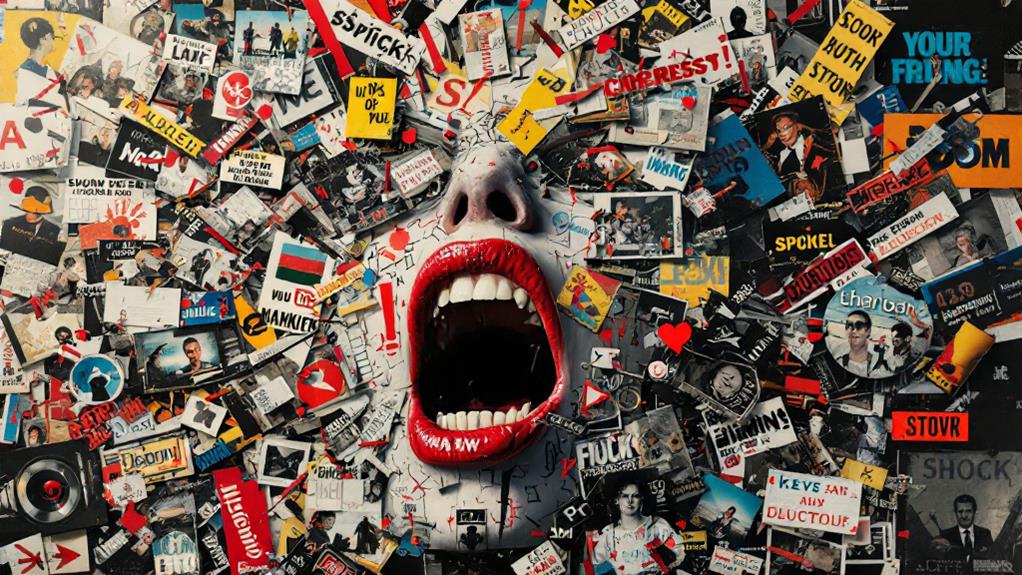
While shock marketing can be a powerful tool for grabbing attention and generating buzz, it is crucial to weigh its potential pros and cons carefully. On the one hand, the use of shock tactics in advertisements can make them stand out in a cluttered media environment, as shock advertisements often elicit strong reactions from the audience. This can help brands create a memorable impression and spark conversations.
However, the use of shock marketing also carries significant risks:
- It can alienate or offend the target audience, leading to backlash and damage to the brand's reputation.
- It may be perceived as insensitive or inappropriate, particularly if it touches on sensitive topics or exploits people's fears or vulnerabilities.
- The shock value can overshadow the actual message or product, making it difficult for the brand to effectively communicate its value proposition.
- Reactions to Shocking ads can be unpredictable, and the brand may not have full control over how the audience responds.
Ultimately, the decision to use shock marketing should be made thoughtfully, with a clear understanding of the potential risks and a well-crafted strategy to mitigate them.
Controversial Shock Campaigns
Some of the most controversial shock campaigns have pushed the boundaries of good taste and social responsibility. Digital marketing tactics have allowed brands to create shocking advertisements that generate buzz and attention, but the effects of shock can be double-edged. While a shocking advertisement may initially impact viewers, the long-term consequences can damage a brand's reputation and undermine its advertising impact.
Shock campaigns often rely on provocative imagery, taboo topics, or disturbing content to stand out in a crowded marketplace. However, this approach can backfire if it's perceived as insensitive, offensive, or exploitative. Consumers may feel manipulated or alienated, leading to a backlash that erodes trust and undermines the brand's message.
Ultimately, the success of a shock campaign hinges on striking the right balance between attention-grabbing impact and responsible, ethical execution. Brands must carefully consider the potential consequences and guarantee their tactics align with their values and the expectations of their target audience.
Memorable Shock Value Advertising

Memorable shock value advertising can enthrall audiences and leave a lasting impression. By leveraging provocative and controversial content, brands can capture attention and stand out in the virtual realm. However, this approach requires a delicate balance - the power of shock tactics must be carefully aligned with the brand's values and strike a chord with the target audience.
Successful shock advertising campaigns often incorporate the following elements:
- Emotional resonance: Shock ads that elicit strong emotional responses, such as surprise, disgust, or outrage, tend to be more memorable and shareable.
- Attention-grabbing visuals: Bold, eye-catching imagery and graphics can make shock ads stand out in a cluttered digital environment.
- Alignment with brand values: The use of controversial themes should be closely tied to the brand's identity and messaging.
- Audience relevance: Shock ads that resonate with the target audience and address their concerns or pain points are more likely to be effective.
While the allure of shock tactics is undeniable, brands must carefully consider the ethical implications and potential risks of such campaigns to avoid public relations disasters.
Triggering Emotional Responses
The power of shock-inducing content lies in its ability to trigger emotional responses, jolting the audience into heightened attention. Brands like Calvin Klein have long harnessed this strategy, known as "shockvertising," to create memorable campaigns that evoke fear, disgust, or surprise. By tapping into the brain's amygdala, the emotional center responsible for processing intense feelings, shock marketing can enhance message recall and brand salience.
However, the emotional impact must be carefully calibrated. Crossing the line into excessive shock value can backfire, damaging brand reputation and alienating consumers. Successful campaigns align the provocative content closely with the brand's identity and message, creating a meaningful connection. Striking the right balance between attention-grabbing shock and brand authenticity is the key to revealing the power of this emotive marketing approach. Brands must be mindful of social norms and cultural sensitivities to avoid causing unintended harm through their fear appeals.
Navigating Audience Sensitivity

Deploying shock marketing tactics requires careful evaluation of the target audience's cultural, social, and ethical sensitivities. Campaigns that challenge societal norms can elicit strong negative reactions if the content is perceived as insensitive or inappropriate by the audience. Effective public relations strategies are vital to maneuvering the nature of shock marketing and mitigating potential backlash.
To understand your target demographic, brands should conduct thorough market research before deploying shock tactics:
- Identify the boundaries of acceptability within the target audience.
- Avoid trivializing sensitive social issues that could be perceived as offensive.
- Guarantee the content aligns with the brand's values and avoids alienating potential customers.
- Monitor audience feedback closely and respond swiftly to any negative reactions.
Best Practices for Shock Ads
When creating shock ads, it's crucial to strike a delicate balance. You must thoroughly research your target audience to understand their cultural context, sensitivities, and acceptable boundaries before deploying shock tactics. Guarantee the shock value aligns with your brand's values, messaging, and positioning to maintain authenticity and avoid appearing out-of-place or exploitative.
Anticipate potential backlash and have a crisis communication plan in place to address negative reactions swiftly and appropriately. Balance provocative content with clear, meaningful brand messaging to prevent the shock value from overshadowing the core brand proposition. Monitor audience feedback closely and be prepared to adjust the campaign if the shock tactics prove to be ineffective or too polarizing.
Advertising content among university students is often considered shocking or controversial, and some brands may be tempted to pay to shock. However, it's imperative to follow these best practices to avoid backlash and maintain brand credibility.