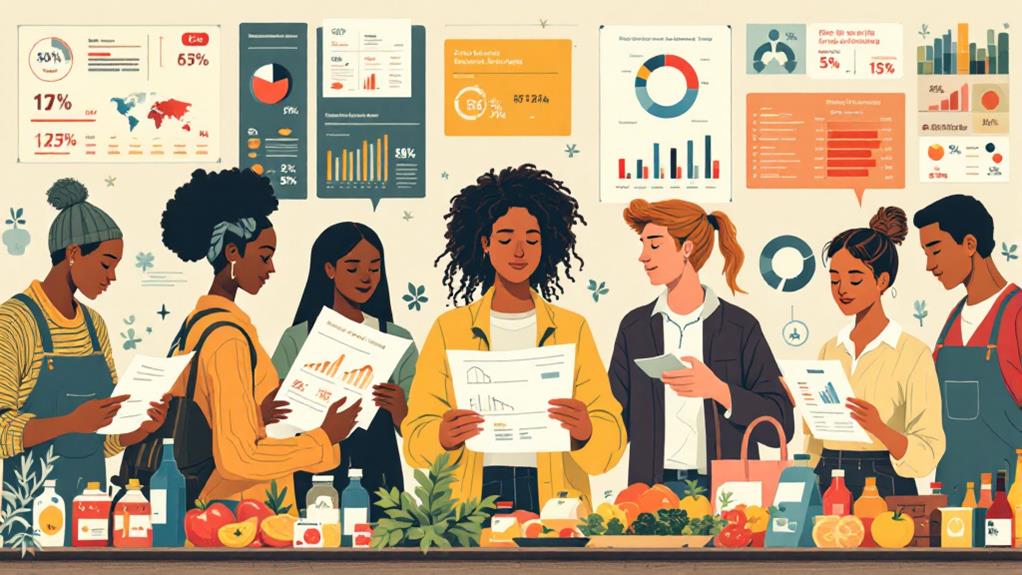
What Do Health-Conscious Consumers Really Want? Key Insights for Brands

Health-conscious consumers seek transparency, customization, and convenience when making purchasing decisions. They're driven by a desire for whole, organic, and minimally processed foods that deliver tangible health benefits. Brands must prioritize sourcing fresh, locally grown ingredients and clearly communicating their commitment to sustainability. By understanding the diverse motivations across generations - from Gen Z's focus on clean eating to Boomers' desire to stay young - you can develop strategies to succeed in the rapidly growing $800 billion health-focused market. Continue reading to inspect proven business models and marketing tactics to reach this lucrative consumer segment.
Defining the Health-Conscious Consumer
Health-conscious consumers are a distinct segment of the population who prioritize wellness and healthy living. Accounting for 93% who aim to eat healthy at least some of the time, this group keenly accepts responsibility for their health and represents excellent customers for wellness brands. They're willing to pay for products and services that align with their consumer behavior, driven by a desire to understand whole food ingredients and source fresh, locally-sourced, minimally processed foods. As the $800 billion global health food industry continues growing, driven by mainstream acceptance, brands must deeply understand this consumer base and their changing needs. By defining the health-conscious consumer and their priorities around nutrition, fitness, stress, and the environment, brands can develop targeted products and services that resonate and cultivate long-term loyalty.
Evolving Demands of Health-Conscious Consumers
How are the demands of health-conscious consumers shifting? These consumers are increasingly seeking convenience, affordability, and transparency in their product choices. The once-niche health food industry has now reached mainstream acceptance, becoming an $800 billion worldwide market. Consumers are conducting more research, demanding fresh, locally sourced, and minimally processed foods with whole food ingredients.
The pandemic has driven a focus on immune-boosting foods and a shift away from dairy products, as well as a demand for customizable options to suit dietary needs and concerns. To meet these changing demands, brands must offer appealing and wholesome choices, while providing transparency in food sourcing and addressing environmental and ethical considerations. Health-conscious consumers are now more than ever prioritizing personal care and environmental health in their purchasing decisions. Brands that can effectively target and cater to this growing health-conscious consumer base will have a competitive advantage.
Addressing the Needs of Health-Conscious Consumers
To effectively address the needs of health-conscious consumers, brands must first understand the key factors driving their purchasing decisions. This target audience prioritizes transparency, customization, and convenience when selecting products that support their wellness plunge. By offering personalized and customized proposals tailored to individual dietary needs and preferences, brands can better cater to the diverse Consumer Needs of this demographic.
Moreover, effectively communicating the tangible health and well-being benefits of your products is vital to resonating with health-conscious consumers. Highlighting the positive impact on their mental well-being and physical health can help strengthen the perceived value of your offerings. Simultaneously, demonstrating your brand's commitment to sustainable and environmentally-responsible practices will appeal to this audience's growing focus on Health-Conscious Consumers and environmental responsibility. By addressing these pivotal elements, brands can establish a strong connection with this influential target market and nurture long-term loyalty.
Understanding the Target Audience and Motivations
As brands seek to address the needs of health-conscious consumers, it's essential to first understand the diverse motivations driving this influential target audience. By identifying your target, you can craft marketing efforts that truly resonate with their values and purchase decisions.
Key insights to ponder:
- Gen Z and millennials are driven by a desire for whole, organic, and clean foods that align with their focus on health, wellness, and sustainability. They're especially drawn to products offering specific benefits like weight loss, energy, and digestive health.
- Baby boomers, on the other hand, seek foods that can help them stay young and prevent health issues as they age, making them a crucial segment to consider in your healthy consumer outreach.
- Across all generations, consumers increasingly connect their food choices to their broader lifestyle, beyond just the act of consumption. Awareness of food sourcing, safety, and environmental impact are key drivers for these health-conscious consumers.
Strategies for Succeeding in the Health-Focused Market
Successful health-focused brands prioritize providing consumers with fresh, high-quality, and transparently sourced ingredients. This approach appeals to health-conscious consumers, driving continued growth in the market. To further succeed, these brands should offer a customizable menu that caters to diverse dietary needs and preferences. This flexibility not only satisfies the palate but also accommodates various concerns within specific segments of the customer base.
Sourcing products from local growers and emphasizing whole food options aligns with consumers' growing preference for natural and organic products. Brands can capitalize on this trend to strengthen their appeal and drive sales. Additionally, keeping marketing messaging simple and straightforward allows customers to make informed and healthy choices, which is essential in the health-focused market.
Social media can be a powerful tool for brands to engage with their customer base and showcase their commitment to food consumption transparency. Whenever possible, brands should adopt proven business models that have demonstrated success, such as SoBol's approach, to thrive in this competitive environment.
Related posts