
What Are the 3 E's of Sustainability? Environment, Economy, Equity Explained

The 3 E's of sustainability are environment, economy, and equity. Environmental sustainability focuses on reducing your impact and maintaining ecological balance. Economic sustainability guarantees long-term profitability and community well-being. Social equity ensures sustainable benefits are accessible to all, promoting equal power and voice. Together, these interconnected pillars create a thorough approach to a more just and inclusive future. Want to explore deeper into how these elements work together to achieve true sustainability?
Environmental Sustainability Explained
Environmental sustainability is a pivotal aspect of the three E's of sustainability. It encompasses our impacts on the natural world, from habitats to resource extraction to waste creation. Importantly, environmental sustainability does not require zero impact, but rather ensuring our eco-footprint does not outpace the environment's capacity to regenerate.
These impacts can be investigated at both local and global levels. For example, preventing soil degradation and maintaining fish populations are examples of environmentally sustainable practices that allow for renewal. This is paramount for addressing climate change and ensuring a healthy planet for future generations.
Environmental sustainability does not call for an end to essential activities like fishing or farming, but rather advocates for more sustainable practices that preserve the delicate balance of our ecosystems. By embracing environmental sustainability, we can safeguard the natural resources upon which our economy and equity rely, creating a more resilient and prosperous future.
Economic Sustainability Explored
Economic sustainability is critical for communities and businesses alike. When everyone has the means for economic support indefinitely, that's a sign of an economically sustainable community. This means affordable housing, enough jobs, income stability, and support for small businesses. For businesses, economic sustainability is about maintaining profitability in the long term, not just currently. Economically sustainable businesses are resilient to unforeseen changes and disruptions.
Effective use of public services and sound infrastructure are also important for community economic sustainability. The three pillars of sustainability - environment, economy, and equity - must all be in balance. Fair trade practices and a focus on the long-term are key to economic sustainability. By prioritizing economic sustainability, communities and businesses can thrive both now and in the future.
The Importance of Social Equity
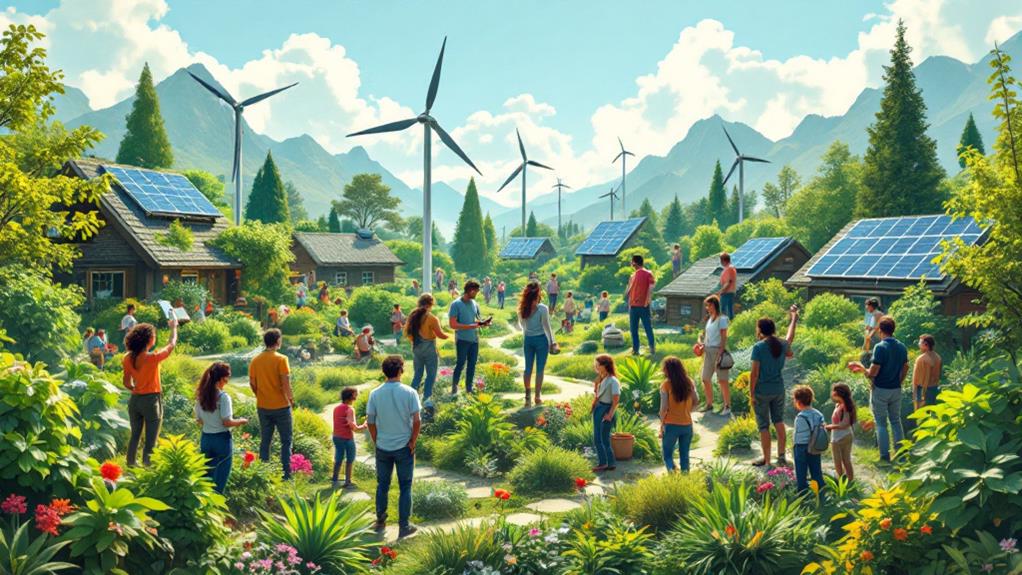
Social equity is equally indispensable to the concept of sustainability. It guarantees the benefits of sustainable practices are accessible to all, regardless of factors like race, income, age, or gender. At the community level, social equity means equal power and voice in decision-making, and equal access to resources. In the business world, it involves fair wages, ethically sourced materials, and gender equality. While more challenging to measure than environmental and economic factors, social equity is paramount in making sure sustainability truly benefits everyone. By prioritizing social equity, we can create a more just and inclusive future, where the rewards of sustainability are shared equitably. This comprehensive approach to sustainability, encompassing the environment, economy, and social equity, is indispensable for building a sustainable world for all.
Related posts