What Are Examples of Ancient Marketing?

Kellogg's cereal box prizes, Gillette's razor and blade model, and Sears' mail order catalogs are classic examples of ancient marketing tactics that are still used today. Companies like Tiffany & Co. harnessed national symbols and celebrity endorsements to build brand prestige. Meanwhile, the National Police Gazette demonstrated the power of using sex appeal to drive consumer interest - an approach that would influence future advertisers. These pioneering marketing strategies reveal timeless principles of understanding consumer behavior and driving sales through creative tactics. If you'd like to learn more about the history of marketing, there are fascinating case studies to investigate.
Kellogg's Cereal Box Prizes
Kellogg's pioneering use of cereal box prizes in 1906 proved to be a marketing triumph. The founder, W.K. Kellogg, recognized the power of new consumer behavior - the desire for free gifts. By including prizes in cereal boxes, Kellogg drove sales and brand recognition, especially among young consumers. This marketing tactic was an early example of using giveaways as a strategic approach.
Kellogg's innovation of prize-filled cereal boxes established an influential model that was quickly adopted by other cereal brands. The free samples and prizes inside the boxes became a primary reason many children ate cereal. Kellogg's strategy was remarkably successful, cementing the company's position in the market and setting the stage for the enduring popularity of cereal as a breakfast food. This early marketing innovation demonstrates the power of understanding and tapping into consumer preferences, a practice that remains central to successful marketing strategies even today.
Gillette's Razor and Blade Model
In 1895, Gillette innovated the safety razor and pioneered the razor and blade business model by giving away razors to drive sales of the disposable blades. This innovative approach of providing the razor handle at a low cost and profiting from the recurring blade purchases is widely credited as the basis for the razor and blade model. Gillette's razor and blade strategy exemplifies an early instance of a company using a loss leader to build a customer base and drive recurring revenue from consumable products.
The Gillette razor and blade model proved highly successful, with the company becoming a global leader in the shaving products industry:
- The low-cost razor handles made the product accessible to a wider audience.
- Customers were locked into purchasing proprietary blades, ensuring recurring revenue.
- Gillette's dominance in the market allowed the company to maintain control over pricing and distribution.
- This business strategy enabled Gillette to thrive for decades, cementing its position as a market leader.
Sears' Mail Order Catalogs
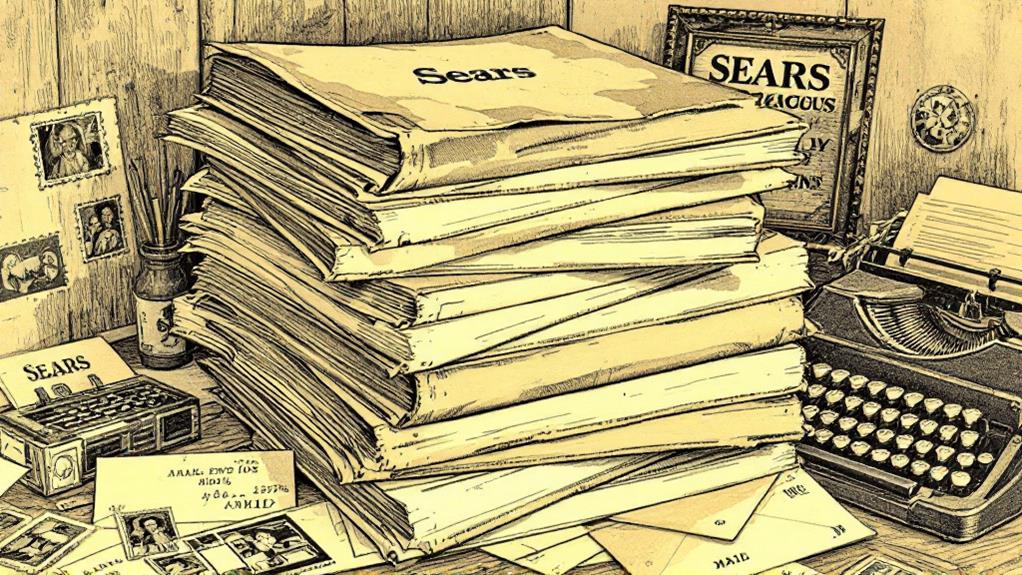
While Gillette pioneered the razor and blade model, Sears took a different approach by capitalizing on the emerging mail order industry. Richard Sears resold watches in Minnesota and published mail order catalogs with a wider product selection, causing Sears' sales to skyrocket by 1895. The Sears mail order catalog, known as the "Consumers Bible," grew to 532 pages and became an innovative way to conduct a mail order business. Sears' catalog business model allowed him to reach customers across the country who did not have access to traditional department stores. The Sears catalog provided a convenient shopping experience by allowing customers to browse and order products from the comfort of their homes, revolutionizing retail. This ancient marketing technique paved the way for companies like Coca-Cola to use similar strategies to reach a wider audience and establish their brands.
Tiffany & Co.'s National Symbol
Beyond its supply of swords, flags, and surgical implements to the Union Army during the Civil War, Tiffany & Co. employed its opulent store building, described as a "palace of jewels," to solidify its status as a national symbol. This strategic move not only granted the brand permission to call itself prestigious but also attracted the attention of the British Queen, who would later grant Tiffany & Co. the royal warrant.
Tiffany & Co.'s association with American iconography, such as revising the Great Seal of the US and the US Navy's Medal of Honor, further strengthened its brand identity. Additionally, the company's acquisition of the French Crown Jewels in 1887 and its use of celebrity endorsements contributed to its rise as a prestigious, nationally recognized brand.
Tiffany & Co.'s innovative content marketing, including its opulent store design and strategic product placements, serves as an example of ancient marketing tactics that remain influential today.
National Police Gazette's Sex Sells

Alongside Tiffany & Co.'s prestigious American iconography, the National Police Gazette's sex-laden marketing tactics prove equally influential in the annals of ancient advertising. Founded by George Wilkes in 1845, the Gazette published provocative images of scantily clad actresses, strippers, and sex workers to enthrall readers. While the ads were dull, the Gazette's risqué content demonstrated the power of using sex appeal to drive consumer interest, even in the 19th century.
The Gazette's success foreshadowed the rise of sexually-charged marketing that would become more commonplace in the 20th century. Much like Mark Twain Cigars or the New York Times, the Gazette's innovative use of sex appeal to attract readers calls to mind modern marketing tactics. Wilkes' publication proved that consumers were willing to engage with content that pushed the boundaries of acceptability, a strategy that would influence future advertisers to "call it Queens Ware" in their new marketing approaches.
Wedgwood's Celebrity-Endorsed Pottery
In the 18th century, Josiah Wedgwood, the acclaimed creator of Wedgwood pottery, strategically courted influential figures like painters, designers, and royalty to obtain high-profile celebrity endorsements. By producing a tea set for British Queen Charlotte and obtaining permission to call it "Queen's Ware," Wedgwood amplified his brand's prestige, making his pottery widely popular across Europe.
Wedgwood's savvy use of celebrity endorsements was an early example of how brands could harness the power of famous figures to market their products - a tactic that continues to be widely used in modern marketing. The success of Wedgwood's celebrity-endorsed pottery demonstrates the long history of this effective marketing technique:
- It helped establish Wedgwood as a trusted and desirable brand.
- It allowed Wedgwood to reach a wider audience through the endorsements of prominent figures.
- It created a sense of exclusivity and prestige around Wedgwood's products.
- It laid the groundwork for the modern-day practice of using social media influencers and celebrities to promote products.