What Are 5 Branding Failure Stories?

From Colgate's failed frozen foods line to McDonald's flop with the Arch Deluxe, you'll find 5 cautionary tales of branding gone wrong. Colgate's misalignment with its core values and TiVo's inability to connect with mainstream audiences highlight the need to deeply understand your customers. The Juicero debacle and Sears' demise showcase the dangers of disregarding market research and failing to evolve with changing times. These stories emphasize the critical importance of maintaining brand relevance - a lesson you'd do well to heed.
Colgate's Foray Into Frozen Foods
In the 1980s, the household name Colgate, known for its toothpaste products, decided to venture into the frozen foods market. The company, seeking to expand its product selections, launched a new line of frozen dinners and entrees. However, this move proved to be a significant branding fail.
Colgate's marketing campaigns failed to connect with customers, who were accustomed to the brand's reputation for oral care products. The company's brand strategy did not align with its core values, and the frozen food products lacked the quality and taste that consumers expected from the Colgate name.
The failure of this venture was compounded by the success of competitors like Burger King, who were already established in the frozen food market. Colgate's attempt to diversify its product selections ultimately backfired, costing the company significant resources and damaging its brand reputation.
The Rise and Fall of the Arch Deluxe
McDonald's launched the Arch Deluxe in 1996, a more upscale burger with unique ingredients, in an attempt to appeal to health-conscious Gen Xers. The burger cost nearly 2.5 times more than a standard McDonald's hamburger, but the brand's TV ad came across as condescending to both kids and adults. Despite the company's efforts to make the Arch Deluxe a success, it soon quietly disappeared from the menu after failing to connect with/strike a chord with consumers.
The Arch Deluxe's failure demonstrated the importance of understanding your audience and the place your brand holds in their hearts and minds. Companies must carefully consider the product, logo, and marketing when launching a new product. A misstep can quickly lead to the demise of even the most established brands. The Arch Deluxe serves as a cautionary tale for companies looking to reinvent their image or introduce a new product that doesn't align with customer expectations.
The Decline of TiVo
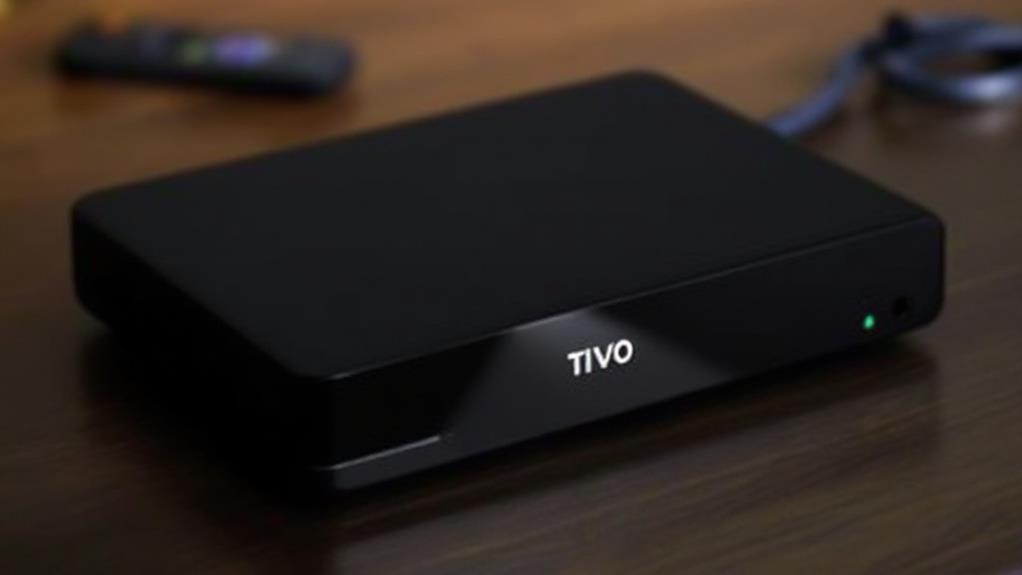
The Arch Deluxe's failure wasn't the only cautionary tale in the world of branding. The decline of TiVo serves as another sobering example. Promising to revolutionize television viewing, TiVo's Super Bowl ad campaign failed to strike a chord, much like New Coke and the Arch Deluxe. Despite being a strong brand in Silicon Valley, TiVo never got the traction it needed with consumers. Millions of dollars were poured into marketing, but TiVo's loyal customers dwindled in less than a year. The company struggled to adapt to the changing environment, losing ground to cheaper, more user-friendly alternatives. TiVo's inability to capitalize on its early success and connect with the mainstream audience ultimately led to its downfall, serving as a cautionary tale for brands that fail to evolve with the times.
The Juicero Debacle
Frequently, the most promising product ideas are the ones that aim to solve a simple problem in an overly complex way, as exemplified by the Juicero debacle. This $700 Wi-Fi-enabled juicer, which could squeeze pre-packaged juice pouches, was quickly exposed as unnecessary – the pouches could be squeezed by hand just as easily. Juicero's refusal to sell its juice packets to anyone who hadn't purchased the expensive appliance led to outrage and the company's downfall within a year. This tragedy highlights the importance of thorough market research, as investors were heavily invested in Juicero before detecting its limitations. Juicero's demise serves as a cautionary tale about the dangers of creating an overly complex solution to a simple problem that consumers don't see as meaningful, much like the London Olympics logo or the Kendall Jenner Pepsi ad. Brands must make sure they understand the real problem they're trying to solve, or risk becoming the next Juicero.
Sears' Downfall: A Lesson in Complacency
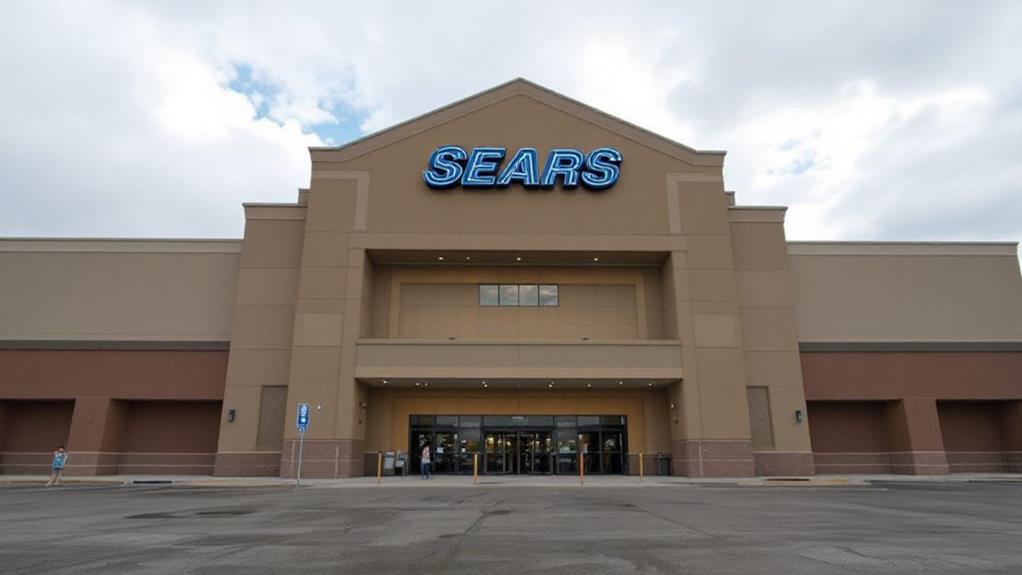
Once the vanity of American retail, Sears had long been synonymous with quality merchandise and customer service. Yet, the company's failure to adapt to the modern technological era ultimately led to its downfall. Unlike Juicero, which tried to make people pay for something as simple as orange juice, Sears' gaps attempt to innovate and invest in its stores proved disastrous.
Sears' complacency in relying on its established brand left it vulnerable to the rise of e-commerce. The company never took the necessary steps to evolve and cater to changing consumer preferences, instead resting on its laurels. As a result, Sears filed for bankruptcy in 2018, serving as a cautionary tale about the dangers of complacency in a rapidly changing market.
The company's downfall highlights the importance of continuous adaptation and innovation. Businesses that fail to heed this lesson run the risk of suffering a similar fate, no matter how established their brand may be. Sears' story is a stark reminder that companies must always be willing to reinvent themselves to stay relevant.