
Understanding Fashion-Conscious Consumers: Trends and Preferences
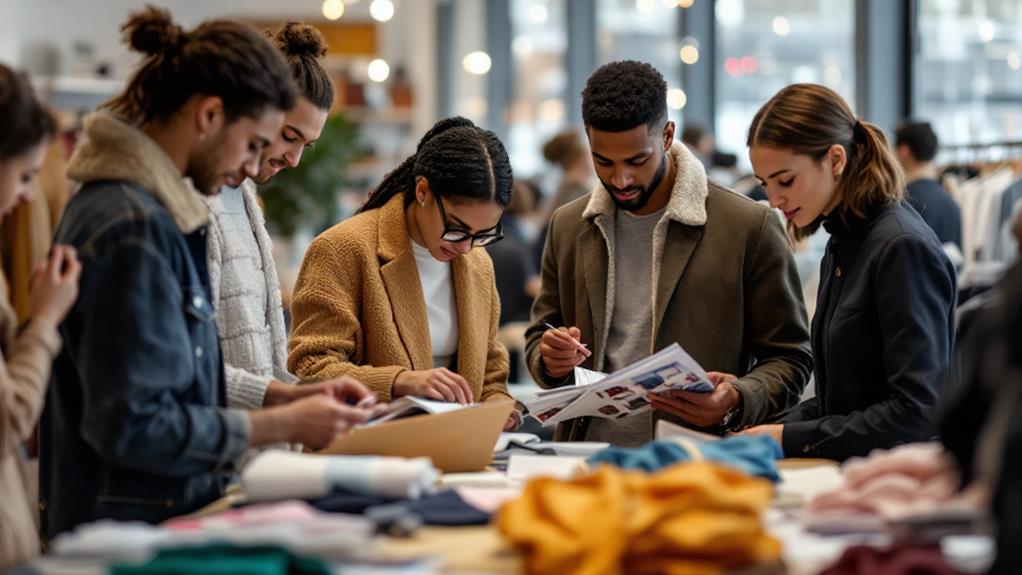
Fashion-conscious consumers are driving a seismic shift in the industry. You're likely part of the younger generations who prioritize sustainability, diversity, and innovative experiences. You're enthusiastic for brands that showcase their commitment to the environment, welcome inclusivity, and utilize digital tools to deliver personalized shopping. Secondhand and ethical fashion are gaining traction as you demand quality over quantity and seek apparel with a reduced impact. While fast fashion struggles to keep up, the future lies in brands that understand your changing preferences - maybe it's time to investigate further.
The Rise of Sustainable Fashion
The rise of sustainable fashion is undeniable. Sustainable Fashion is projected to make up 50% of consumer demand in the coming years, demonstrating a rising interest in eco-friendly apparel. While only 15% of fashion consumers currently express sustainability concerns, 65% show some environmental concern that is not always prioritized. Younger generations, particularly Millennials and Gen Z, are leading the charge towards sustainable fashion, driving brands to welcome more eco-friendly practices.
The fast fashion industry's significant contribution to global carbon emissions and the alarming statistic that 60% of clothing produced ends up in landfills within a year highlight the need for a more sustainable approach. Sustainable fashion manufacturing offers benefits such as reduced emissions, improved brand reputation, ethical sourcing, and the use of eco-friendly materials to enhance consumer satisfaction. Brands that prioritize sustainability and align with consumer demand for ethical fashion will thrive in the shifting fashion industry.
Demand for Diverse and Inclusive Brands
Driven by a growing awareness of the need for representation, consumers are increasingly demanding diverse and inclusive fashion brands. Over a third of UK consumers are more likely to purchase from brands featuring models of their own body type, and 57% believe retailers are improving efforts to cater to diverse sizes. Fashion brands must adapt to this consumer behavior by welcoming diversity and inclusivity in their product selections and marketing.
Brands that welcome sustainability and inclusive practices are resonating with their target audience. Chromat, for example, showcased diversity in race, ethnicity, size, height, and disabilities at New York Fashion Week, while Universal Standard offers clothing in sizes 00 to 40, establishing it as the most size-inclusive brand. As these emerging trends continue to shape the industry, fashion brands must focus on understanding their consumers, leveraging exceptional digital and influencer marketing strategies to stay ahead of the curve.
Influence of Digital Experiences and Phygital Shopping
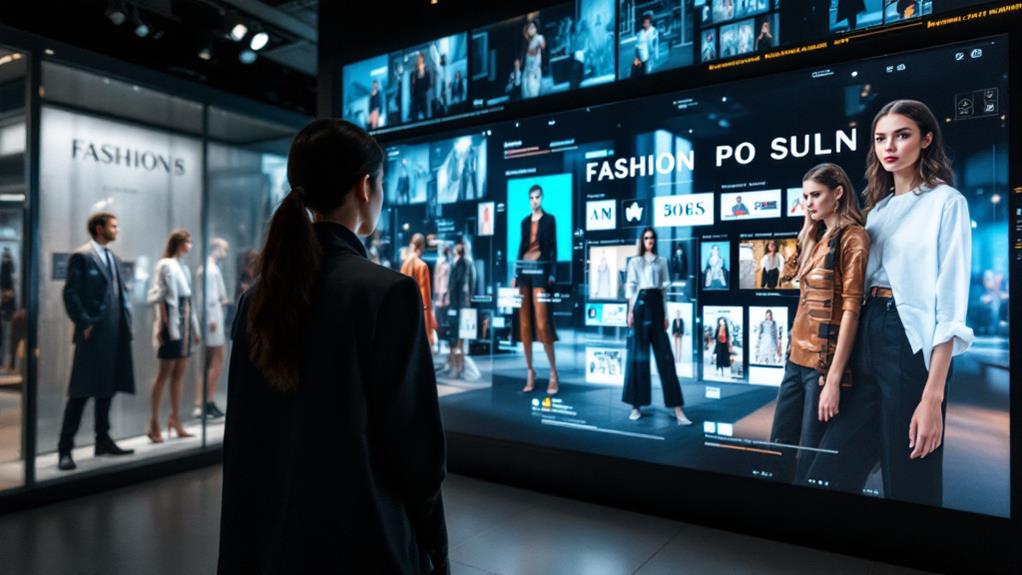
As the digital sphere continues to transform, fashion brands must adopt the influence of immersive digital experiences and the growing demand for phygital shopping. With 71% of shoppers more likely to increase their shopping frequency when using augmented reality (AR)-powered apps, brands can no longer ignore the power of digital platforms in engaging fashion-conscious consumers. Brands that embrace AR, allowing customers to visualize products in 3D, like Burberry, will gain a competitive edge, as 40% of consumers are willing to pay higher prices for AR-tested products.
Furthermore, the rise of social media marketing and personalized shopping experiences customized to individual preferences are shaping fashion trends. Leveraging data analytics, brands can better understand consumer behavior and preferences, catering to their sustainability concerns and desire for ethical production. H&M's virtual collection competition, where winners received animated outfit try-on images, demonstrates the industry's innovative approaches to engage the 53% of Gen Z who believe they will try on clothes virtually in the future.
Leveraging Influencer Engagement for Fashion Marketing
Fashion brands have increasingly recognized the power of influencer marketing, harnessing the reach and authenticity of social media personalities to engage their target audiences. With the global influencer marketing platform market expected to reach $337 million by 2027, fashion brands have embraced this strategy to connect with fashion-conscious consumers.
Top-tier influencers with over 2 million followers have become a driving force, generating 80% of the total influencer marketing Media Impact Value for European luxury fashion brands in Q3 2021. Brands can utilize these influential figures to create limited edition or customized product lines, shaping design, manufacturing, and promotion strategies to resonate with their followers.
Influencer-brand partnerships have also transformed the way fashion brands engage with their audience, as they increase representation and accountability in their advertising and marketing campaigns. As fashion-conscious consumers demand more sustainability and ethical practices, brands can collaborate with influencers to showcase their commitment to these values.
Prioritizing Eco-consciousness in Consumer Behavior

Consumers' environmental consciousness has become a key priority for fashion brands. The shift towards eco-conscious purchasing decisions is evident as you, the fashion-conscious consumer, go out of your way to buy products in environmentally friendly packaging and prioritize quality over quantity. This demand for sustainable and environmentally-friendly fashion has led to a record high in sales of ethical clothing, signaling a significant change in consumer behavior.
The fashion industry is taking note of this trend, with fast fashion brands reconsidering their strategies and supply chains to address growing sustainability concerns. You, as the consumer, are driving this change by:
- Favoring ethical clothing that aligns with your values.
- Embracing slow fashion principles that focus on quality and longevity.
- Demanding transparency in fashion supply chains.
- Reducing waste through conscious purchasing decisions.
This increased consumer awareness and demand for environmental and social responsibility is shaping the future of the fashion industry, as it moves away from the fast fashion model and towards a more sustainable and conscious approach.
Personalization, Customization, and Technological Innovation
Alongside the growing demand for eco-conscious fashion, you've also seen a surge in personalization and customization across the industry. Consumers now crave unique, made-to-order pieces, and brands are leveraging AR/VR for virtual try-ons and customization. They're integrating AI and data analytics to provide personalized recommendations, while embracing on-demand, small-batch manufacturing and 3D digital fashion. The blending of physical and digital shopping experiences, seamless omnichannel brand pathways, and the integration of social media and user-generated content have become key trends. Brands are now exploring the use of AI, machine learning, robotics, and automation to enhance personalization, customization, and operational efficiency. This focus on technological innovation enables fashion labels to cater to the continuously evolving preferences of their fashion-conscious consumers.
Decoding the Fast Fashion Dilemma
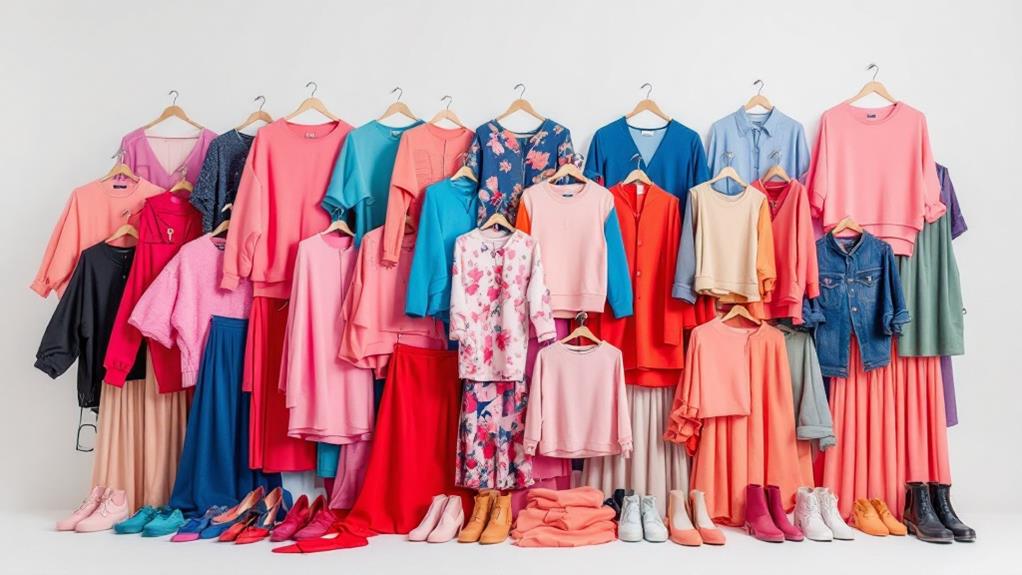
The unceasing pursuit of ever-changing trends has led to the rise of fast fashion, a dominant force in the industry. Technological advancements enable brands to predict and meet consumer demand efficiently, accelerating fashion cycles. However, this comes at a significant environmental cost, with the fashion industry contributing 2-8% of global carbon emissions.
As fashion-conscious consumers, you're faced with a dilemma:
- Social media and digital marketing fuel the desire for constant newness, driving the fast fashion frenzy.
- Sustainability concerns are growing, with the industry's impact on the environment becoming increasingly apparent.
- Second-hand shopping and upcycling offer alternatives to the wasteful nature of fast fashion.
- Despite the adoption of ethical practices, the fast fashion industry is projected to reach $770.90 billion globally by 2029, underscoring the need for a fundamental shift in the supply and consumer demand fluctuating nature.
Shifting Focus on Quality and Durability
A growing emphasis on quality and robustness has emerged among fashion-conscious consumers, reflecting a notable shift away from the transient nature of fast fashion. Data reveals that 65% of consumers are now prioritizing higher-quality clothing that lasts longer, signaling a move towards more sustainable purchasing habits. This trend is further accentuated by the record-breaking sales of ethical clothing, which reached over £53 million in the UK in 2019, as consumers increasingly demand apparel with a reduced environmental impact.
Additionally, 71% of shoppers are discarding fashion items less often, demonstrating a preference for clothing with a longer lifespan. The rise of secondhand and resale fashion also highlights the consumer desire for quality and longevity over the disposable nature of fast fashion. Importantly, increased willingness to pay a premium for sustainable products has driven the growth of the ethical clothing market, as fashion-conscious individuals prioritize durability and environmental consciousness over low prices.
Related posts