
The Four Areas of Environmental Sustainability That Impact Marketing Strategy

Environmental sustainability impacts your marketing strategy through four key areas. First, you must address your operational carbon footprint and resource efficiency. Next, design eco-friendly products and services that minimize waste. Your supply chain practices should prioritize sustainability too. Finally, engage customers transparently about your environmental commitments. By aligning your marketing with these sustainability principles, you'll build precious consumer trust and loyalty. Want to plunge deeper into leveraging sustainability for marketing advantage?
Operational Sustainability and Carbon Footprint
How do you measure and monitor the carbon emissions across your supply chain? Measuring and monitoring carbon emissions is a key aspect of operational sustainability. By evaluating the environmental impact of your logistics and transportation decisions, you can minimize your company's overall carbon footprint. Reducing energy consumption, waste, and adopting renewable energy sources can drastically lower your carbon emissions. Implementing lean manufacturing processes and adopting green technologies can also improve your operational efficiency and sustainability. Investing in sustainable infrastructure, such as energy-efficient facilities and smart logistics systems, can further enhance your operational sustainability. Ultimately, a focus on environmental sustainability and marketing can help your business adopt more sustainable practices and reduce its carbon footprint.
Designing Eco-Friendly Products and Services
Designing eco-friendly products and services is essential in minimizing your company's environmental footprint. By utilizing renewable, recyclable, and biodegradable materials, you can reduce waste and the impact on natural resources. Sustainable product design features like energy-efficient operation, minimal packaging, and the ability to be easily repaired, refurbished, or recycled at the end of their life cycle are indispensable in creating green products.
Integrating circular economy principles, where products are designed to maximize reuse and minimize waste, can help you develop more sustainable goods. Services that dematerialize physical products, such as software-as-a-service models, can further reduce environmental impact by eliminating the need for tangible goods. Collaborative product design approaches that engage suppliers, customers, and sustainability experts can lead to more environmentally-conscious innovations. Embracing these strategies will allow your company to offer a range of sustainable products and services that meet the growing demand for environmentally friendly merchandise.
Sustainable Supply Chain Practices

Effective supply chain practices are essential to achieving environmental sustainability. Evaluating the environmental impact of raw materials, transportation, and manufacturing processes is pivotal. Implementing sustainable practices throughout the supply chain can dramatically reduce your carbon footprint and enhance your sustainability efforts. This includes sourcing renewable and recyclable materials, optimizing logistics to minimize emissions, and collaborating with suppliers who prioritize environmental responsibility.
Sustainable supply chain practices not only benefit the planet but also contribute to your business's economic sustainability. By reducing waste and increasing efficiency, you can lower operational costs and enhance profitability. Additionally, consumers are increasingly drawn to brands that demonstrate a genuine commitment to sustainability, which can translate into increased market share and brand loyalty.
Integrating sustainable supply chain practices into your overall marketing strategy showcases your dedication to environmental stewardship and positions your brand as a responsible, forward-thinking leader in the sustainable business field.
Engaging Customers With Transparency
Transparency is paramount when engaging eco-conscious customers about your sustainability efforts. Sustainable marketing requires genuine engagement through honest, detailed communication about your brand's environmental and social responsibility initiatives. Consumers are increasingly demanding transparency, and brands that are upfront about their carbon footprint, supply chain practices, and sustainability goals build greater trust and loyalty.
Consider these four areas to enhance your transparency and engagement with your target audience:
- Regularly publish a detailed sustainability report outlining your progress against public commitments, like Unilever's Sustainable Living Report.
- Highlight your sustainability pillars, such as renewable energy, water stewardship, and waste reduction, and share concrete data to demonstrate impact.
- Invite customers to participate in your sustainability initiatives through programs, events, or user-generated content.
- Emphasize your brand's green marketing efforts and how they align with your customers' values and purchasing behaviors.
Aligning With Sustainability Principles

To truly embed sustainability into your marketing, you must align your efforts with the four core pillars of sustainability: environmental, economic, social, and human. As the [FACTS] highlight, sustainable marketing requires a total corporate commitment to socially and environmentally responsible actions that meet present needs without compromising the future.
Implementing sustainability principles is essential, as demonstrated by the American Marketing Association's code of ethics for marketers. By aligning your marketing strategy with these principles, you can differentiate your business, build brand trust, and attract eco-conscious consumers who prioritize sustainability in their purchasing decisions.
Sustainable marketing emphasizes long-term performance over short-term profit, supporting the best interests of the entire marketing system. This comprehensive approach guarantees your marketing efforts truly contribute to environmental sustainability, social responsibility, and human sustainability. Integrating all four pillars into your strategy is the key to achieving complete sustainability and maintaining a competitive edge in today's market.
Defining Marketing Objectives and Goals
When defining your marketing objectives and goals, it's pivotal to align them with your organization's overall sustainability commitments. Your marketing goals should be specific, measurable, and tied to reducing your environmental impact and improving your social responsibility.
Consider these four areas to guide your sustainable marketing strategy:
- Product Sustainability: Set targets for increasing the percentage of sustainable product sales, focusing on products that minimize waste, use renewable materials, and are designed for future generations.
- Supply Chain Sustainability: Establish goals to reduce carbon emissions across your supply chain, promoting sustainable sourcing and logistics.
- Social Sustainability: Focus on improving employee well-being, community engagement, and supporting initiatives that nurture social sustainability.
- Economic Sustainability: Align your marketing objectives with long-term economic growth, emphasizing sustainable living and the creation of value for customers, the environment, and society.
Incorporating sustainability into your marketing strategy requires a comprehensive understanding of your target market's concerns and your organization's ability to address them effectively.
Measuring Sustainability Progress and Impact
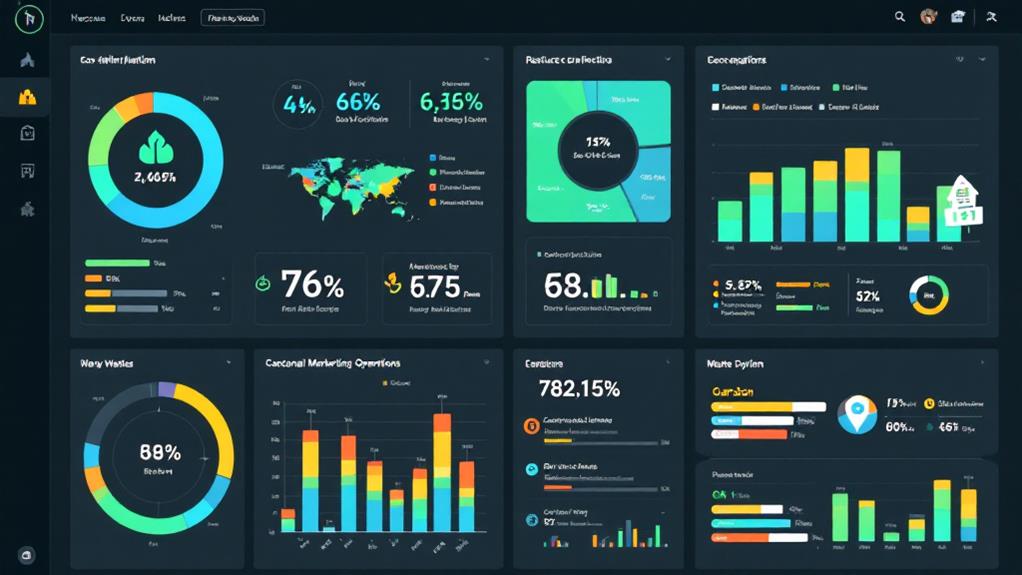
Integral to your sustainable marketing strategy is the ability to accurately measure progress and impact. Improving human welfare, reducing environmental impact, and achieving economic, ecological, and social balance are critical goals. To reach them, you'll need to carefully track the impact of your products and services on the environment. This includes monitoring metrics like carbon emissions, water usage, and waste generation. By measuring sustainability progress and impact, you can identify areas for improvement and make data-driven decisions to enhance your environmental performance. Equally important is considering the broader societal effects of your sustainable initiatives. Analyze how your efforts are contributing to the well-being of local communities and the economy as a whole. This comprehensive approach to measuring sustainability will help you demonstrate your commitment to responsible business practices and communicate your positive impact to stakeholders.
Building Consumer Trust and Loyalty
Building consumer trust and loyalty is paramount in sustainable marketing. As the [FACTS] indicate, consumers are more likely to trust and remain loyal to brands that are transparent about their sustainability efforts and demonstrate genuine commitment to environmental and social responsibility. Providing detailed information on sustainability initiatives, environmental impact, and ethical sourcing practices can help strengthen consumer perceptions of brand credibility and trustworthiness. In addition, regular and honest reporting on sustainability progress, including both successes and challenges, helps cultivate an authentic connection between brands and eco-conscious consumers.
To nurture long-term consumer trust and loyalty, brands should:
- Incorporate sustainability into their core identity and consistently deliver on those values across all marketing touchpoints.
- Highlight their commitment to environmental responsibility and social impact through transparent communication.
- Demonstrate their trustworthiness by regularly reporting on sustainability progress, both positive and negative.
- Utilize the value of building consumer trust through sustainable marketing, as 73% of consumers are willing to pay more for products from sustainable brands they trust.
Related posts