
The 3 R's of Sustainability: Reduce, Reuse, Recycle Explained
The 3Rs - reduce, reuse, and recycle - provide a fundamental structure for addressing environmental challenges. By reducing the waste you generate, reusing items for new purposes, and recycling materials, you can minimize your impact on the planet. This helps preserve natural resources, divert waste from landfills, and support a more circular economy. You can start by evaluating your purchasing habits, avoiding single-use plastics, and repurposing or recycling what you no longer need. Incorporating these sustainable habits can make a real difference - and there's plenty more you can do to build on this foundation.
Understanding the 3Rs
The 3Rs of sustainability - Reduce, Reuse, and Recycle - are a fundamental structure for addressing environmental challenges. Understanding these principles is indispensable in reducing waste and preserving natural resources.
Reduce refers to the practice of minimizing the amount of waste you generate. This can be achieved by being mindful of your consumption habits, buying only what you need, and opting for products with minimal packaging. Reducing the amount of waste not only conserves natural resources but also reduces the burden on waste management systems.
Reuse and recycle are complementary strategies. Reusing involves finding new purposes for items instead of discarding them, while recycling alters materials into new products. By reusing and recycling, you can divert waste from landfills and reduce the demand for raw materials, ultimately preserving natural resources and reducing energy consumption.
Implementing the 3Rs in your daily life is an effective way to contribute to sustainable practices and mitigate the environmental impact of waste.
Strategies for Reducing Waste
To reduce waste, start by evaluating your purchasing habits. Opt for products with minimal packaging and avoid single-use plastics whenever possible. Investing in reusable bags, water bottles, and lunch containers can markedly cut the amount of waste your household or office generates.
Composting food scraps is another effective strategy, as it can divert up to 30% of your household waste from landfills. Encourage your colleagues to bring their own reusable mugs and containers to the office, as this can drastically reduce your workplace's environmental impact.
When shopping, look for larger package sizes and refillable products, as these are often the best option for reducing unnecessary packaging. Additionally, extend the lifespan of your belongings by repairing, repurposing, or donating them instead of throwing them away. If an item can't be reused, then recycle it. Implementing these strategies can make a real difference in your waste reduction efforts.
Repurposing and Recycling Items
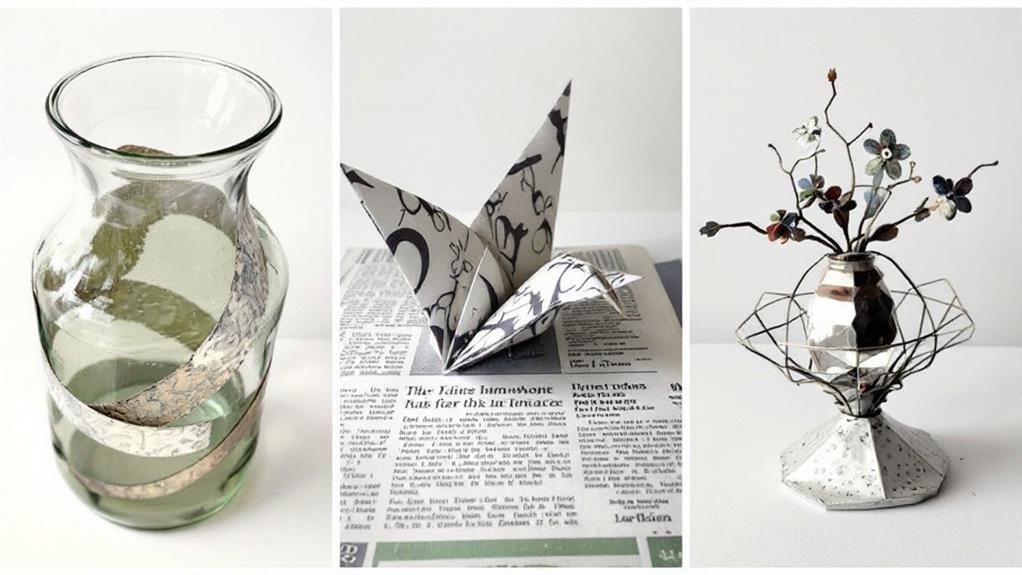
Repurposing items is a creative way to extend their lifespan and reduce waste. By finding new uses for existing products, you can give old clothes a second life as cleaning rags or transform outdated furniture into unique home decor. This helps conserve natural resources and minimize greenhouse gas emissions, as repurposed items don't need to be replaced with brand-new ones.
Recycling is another pivotal component of the three Rs of sustainability. By collecting, sorting, and processing recyclable materials like paper, plastic, metal, and glass, you can divert waste from landfills and incinerators. This not only preserves finite natural resources but also supports the development of a circular economy. In fact, recycling avoids over 700 million tonnes of carbon dioxide emissions annually, making it an incredibly environmentally friendly practice.
Whether you're repurposing glass jars or dutifully sorting your recyclables, incorporating these sustainable habits into your lifestyle can have a significant positive impact on the planet.