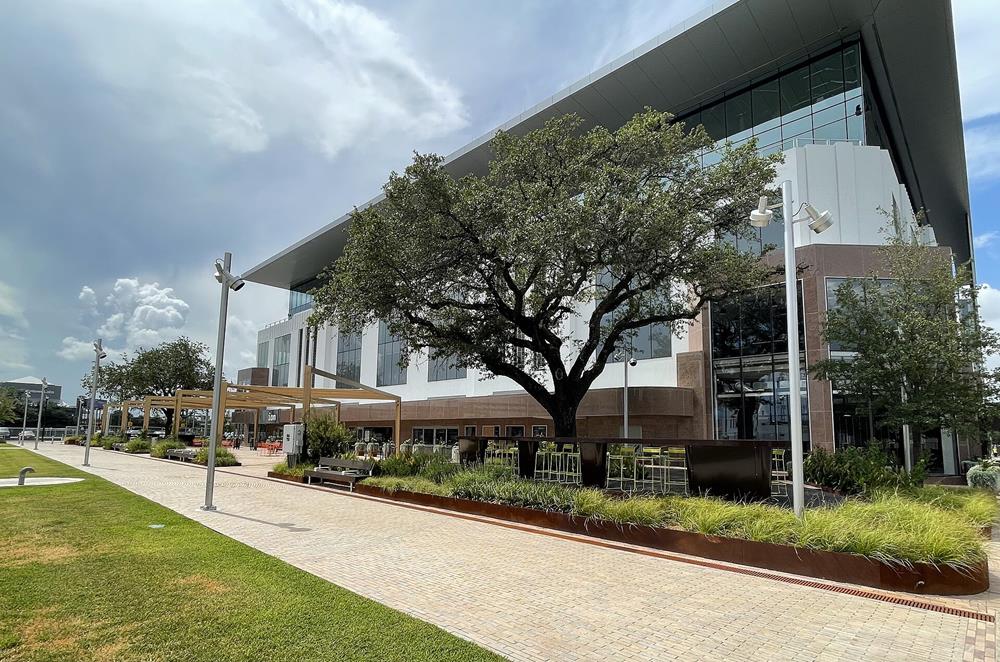
Texas Towns Where Small Businesses Are Booming
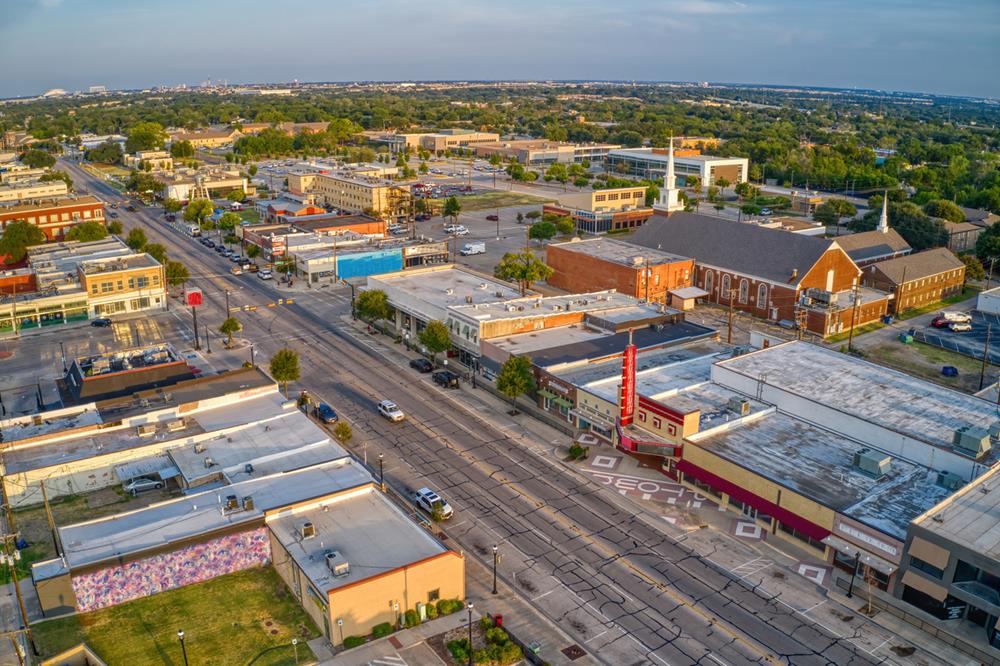
Texas small businesses are thriving beyond major cities. You'll find rapid growth in Fulshear (one of the state's fastest-growing communities), Pecos (a leading micropolitan area), and Fredericksburg (a Hill Country tourism hub).
Austin continues attracting tech startups with multi-billion-dollar recent investments, while Houston is diversifying beyond oil and gas. Dripping Springs (the "Wedding Capital of Texas"), Liberty Hill, and Iowa Colony offer unique opportunities for entrepreneurs seeking lower costs and growing populations.
Discover why these communities are becoming Texas's new commercial hotspots.
Why Texas Is a Small Business Powerhouse
https://www.youtube.com/watch?v=qZDjvr3hW_g
What makes Texas stand out as an entrepreneurial haven? The numbers tell a compelling story: over 3 million small businesses represent 99.8% of all Texas enterprises and employ about 5 million people—roughly 44% of the state's workforce. These firms generate most of the state's net new jobs year to year.
Texas's pro-business policies drive this success, with the Office of the Governor's Economic Development & Tourism team streamlining resources and helping reduce red tape. This environment lowers compliance costs and speeds permit processes, making it easier for entrepreneurs to launch and grow. The Governor's Small Business Week proclamations underscore the state's commitment to entrepreneurs.
The state's talent pipeline further fuels small-business growth, creating a dynamic ecosystem that spans both urban and rural communities. With a multi-trillion-dollar GDP—ranking among the world's largest economies—Texas consistently maintains its reputation for entrepreneurial excellence.
Austin: Technology Innovation Hub Driving Entrepreneurial Growth
View this post on Instagram
Austin exemplifies Texas's entrepreneurial spirit at its most innovative, establishing itself as the state's technology powerhouse. Venture investment has totaled billions annually, with 2024 seeing around $2.2 billion through Q3 and a startup ecosystem valued well north of $80 billion.
You'll find a robust tech talent pipeline flowing from The University of Texas into both startups and anchors like Apple, Google, and Tesla. These companies coexist in "Silicon Hills" alongside dozens of homegrown unicorns, including Bumble and Workrise.
What makes Austin distinctive is its collaborative culture. Organizations like Capital Factory and the Austin Technology Council foster knowledge-sharing and founder support. Companies such as SparkCognition have reported strong growth while helping enterprises optimize operations across industries.
This supportive infrastructure—paired with outsized exits—creates ideal conditions for entrepreneurs seeking both community and opportunity.
Houston's Diversification Beyond Oil & Gas Creates New Opportunities
While Austin thrives as a tech hub, Houston showcases a different entrepreneurial success story through remarkable economic diversification. The metro's GDP has surged since 2021, and Houston now pairs traditional energy leadership with expanding footprints in renewables, healthcare, and technology.
You'll see momentum around the Texas Medical Center, which fuels high-paying jobs and global talent attraction. Houston has become a serious contender in clean-energy and climate-tech efforts, with programs supporting green startups and incentives for innovation. This diversification reduces exposure to oil price swings, creating a more stable environment for small businesses.
With Houston frequently leading U.S. metros in export value and adding around 100,000 residents annually across the region, the robust economy supports both talent recruitment and customer demand. Small-business owners benefit from a broad, resilient base that's increasingly innovation-driven.
Dallas–Fort Worth Metroplex: Urban Advantages for Small Business Success
The Dallas–Fort Worth Metroplex is Texas's largest urban economic engine, offering small-business owners unparalleled access to market scale and workforce talent. With a labor force topping 4.5 million and hundreds of thousands of small firms contributing the majority of net new jobs, DFW is a thriving landscape for entrepreneurship.
- Access to a diverse talent pipeline with strong household incomes supporting consumer demand
- Tech corridors in Richardson and Plano posting rapid growth in recent years
- Expanding life-sciences and med-tech presence in Fort Worth
- Robust SBDC and chamber networks offering training, counseling, and capital guidance
The region's steady population gains continue to fuel demand while a moderating inflation backdrop helps founders plan. The area's vibrant small-business scene contributes significantly to a dynamic local economy that makes DFW an ideal backdrop for scalable growth.
San Antonio's Cultural Economy and Business-Friendly Environment
San Antonio's vibrant cultural economy offers entrepreneurs an exceptional foundation, generating billions in output with tens of thousands of creative-sector jobs.
You'll find a resilient market where creative careers are expanding faster than the state average, creating opportunities for startups in design, marketing, and performing arts. Ongoing cultural-infrastructure investments—from museums to music venues—continue to grow local capacity.
For entrepreneurs, San Antonio delivers workforce development resources and arts-education ties that build future pipelines. The creative sector acts as a powerful economic engine. Launch here, and you're joining a collaborative ecosystem where independent creators are more likely to be self-employed, supporting a business environment that's both innovative and authentically San Antonio.
Emerging Rural Towns Attracting Entrepreneurs and Investment
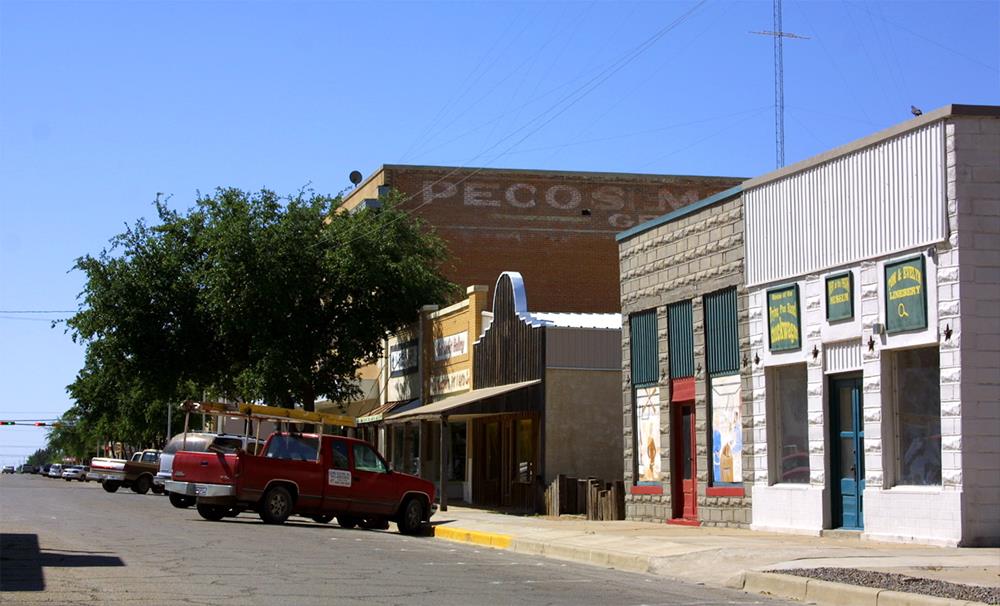
Increasingly, rural Texas is becoming a hotbed for entrepreneurial activity, with several small towns seeing breakout growth far from major metros. You'll find compelling stories in places like Fulshear, which has experienced extraordinary expansion near Houston.
Pecos regularly ranks among the nation's most dynamic micropolitan areas, as energy activity and infrastructure investment ripple into local services. Fredericksburg exemplifies tourism-driven entrepreneurship with thriving hospitality businesses serving Hill Country visitors.
Liberty Hill and Iowa Colony benefit from proximity to major cities while maintaining small-town appeal. Towns along energy corridors create openings in hospitality, real estate, and retail. Dripping Springs continues to flourish as the Wedding Capital of Texas.
These hubs show how population influx, improved infrastructure, and natural-resource advantages create fertile ground for founders outside saturated urban markets.
Key Industries Fueling Texas Small-Business Expansion
Beyond these location wins, specific sectors power Texas's small-business expansion statewide. You'll find technology startups thriving—particularly in Austin—with venture capital backing innovation at scale.
The energy landscape is evolving as traditional oil & gas operates alongside clean-energy ventures and ag-tech innovations.
Manufacturing remains robust in mid-sized towns with strong logistics links, where supply-chain modernization creates an edge. Healthcare enterprises flourish near major medical centers, and telemedicine is opening new markets in previously underserved communities. Texas's strategic location and infrastructure provide efficient access to national and international markets.
Meanwhile, Houston exemplifies successful diversification, blending medical technology with energy innovation to create resilient business ecosystems.
Overcoming Challenges: How Texas Towns Support Small-Business Resilience
Texas small businesses face real tests in changing conditions, and local communities have built strong supports to help founders survive and grow.
You'll find financing pathways through the Texas Small Business Credit Initiative (TSBCI) and the Capital Access Program, improving access to working capital when it matters most.
Local support ecosystems offer:
- Strategic SBDC consulting to overcome operational bottlenecks
- Workforce training to address skills gaps
- Digital-adoption resources to modernize and expand market reach
- Public and private lending programs that have delivered billions in relief and growth capital
These coordinated efforts help your business weather cycles while positioning for sustainable growth in Texas's thriving entrepreneurial landscape. The Skills for Small Business program provides targeted funding for new-worker training, closing gaps without straining budgets.