How to Effectively Market to Conscious Consumers: Strategies for Success

To effectively market to conscious consumers, you must first understand their priorities around sustainability, transparency, and social responsibility. Then, craft marketing strategies that authentically align with these values. Utilize storytelling to connect emotionally, showcase measurable sustainability and social impact, and employ cross-channel tactics. Partner with like-minded organizations to enhance brand credibility. Embolden employees as brand ambassadors and continuously measure performance to optimize your approach. By taking these steps, you'll build trust and loyalty among this discerning consumer segment.
Understand Your Conscious Consumers
Knowing your conscious consumers is the foundation for effective marketing. Consumers are becoming increasingly conscious of the social issues and environmental impacts associated with the products and services they purchase. As a marketer, understanding this shift in consumer mindset is essential.
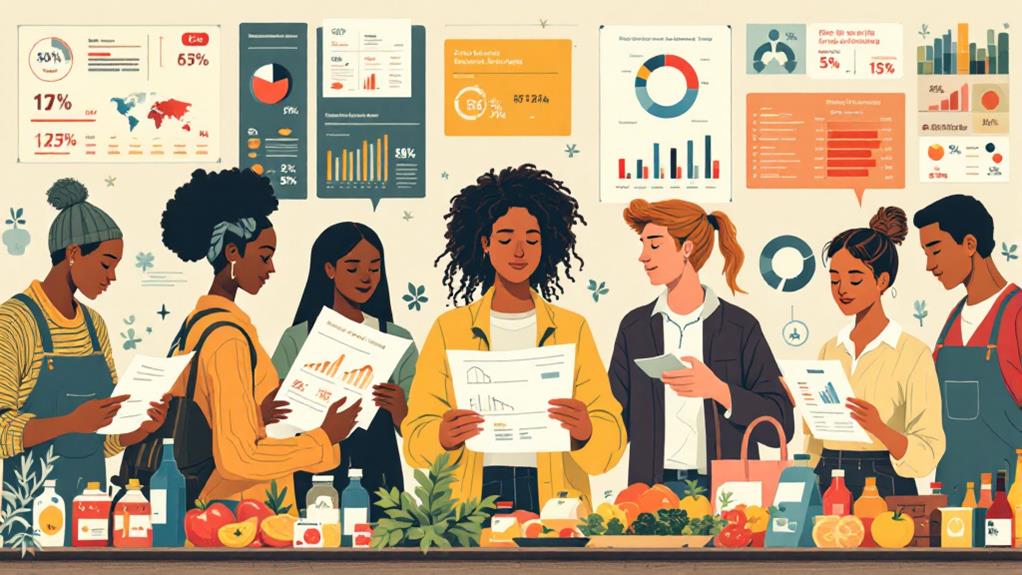
Conscious consumers prioritize values like sustainability, transparency, and social responsibility. They want to know the story behind a brand and how their purchases positively impact the world. Conduct thorough market research to identify the specific concerns, motivations, and preferences of your conscious consumer segment. Analyze their online behaviors, survey their interests, and engage with them directly to gain deep understandings.
With a clear understanding of your conscious consumers, you can craft marketing strategies that harmonize with their values. Highlight your brand's commitment to social and environmental causes, showcase your ethical business practices, and provide detailed product information to build trust. By aligning your messaging and offerings with the needs of conscious consumers, you'll position your brand for long-term success.
Cultivate Brand Authenticity and Transparency
Because conscious consumers prioritize authenticity and transparency, you must cultivate these qualities within your brand. Conscious consumers are socially conscious and expect the companies they support to be transparent about their values, practices, and impact. To cultivate brand authenticity, you need to align your marketing messaging with your company's core principles and actions. Avoid superficial attempts at portraying a false sense of authenticity - conscious consumers can easily see through inauthentic campaigns. Instead, showcase your genuine commitment to responsible business practices through detailed, honest communication. Transparency is also key - provide clear information about your product sources, manufacturing processes, and environmental/social initiatives. Encourage customer feedback and respond transparently to any concerns. By authentically embodying the values of conscious consumerism, you'll build trust and loyalty with this discerning audience.
Leverage Storytelling to Connect Emotionally

To connect emotionally with conscious consumers, utilize the power of authentic brand storytelling. Sustainable brands that convey the "why" behind their company resonate strongly with this audience. Develop a distinctive brand voice and consistently communicate it across all touchpoints to cultivate these emotional connections. Highlight your tangible actions and positive social or environmental impact to help conscious consumers understand your brand's purpose. Avoid greenwashing and maintain transparency about your sustainability efforts to build trust and credibility. Engage with your customers to co-create the brand narrative, which can strengthen loyalty and advocacy among your conscious consumer segments. Leveraging storytelling allows you to move beyond superficial marketing tactics and truly connect with the values and passions of sustainable-minded consumers.
Showcase Sustainability and Social Impact
Conscious consumers want to see tangible evidence of your sustainability and social impact. They're looking for brands that walk the talk when it comes to being socially responsible and implementing sustainable practices. Showcase your efforts in this area through clear, motivating content that highlights your concrete initiatives and their real-world effects.
Share stories of how your products or services are making a positive difference, whether it's reducing environmental waste, strengthening marginalized communities, or supporting local economies. Use data and visuals to demonstrate the measurable impact you've had. Feature testimonials from customers, employees, or community partners to add authenticity.
Leverage Cross-Channel Marketing Strategies

Integrating conscious consumer messaging and brand values consistently across all marketing channels is essential. Harness search engine optimization (SEO) to reach conscious consumers actively seeking sustainable and ethical products and services. Employ social media platforms like Instagram, TikTok, and LinkedIn to share the brand's purpose, mission, and commitment to social and environmental responsibility. Implement email marketing campaigns to nurture relationships with conscious consumers and provide them with educational content about the brand's sustainability efforts.
Explore influencer collaborations and user-generated content to authentically convey the brand's values and build trust with conscious consumers. This cross-channel marketing approach allows conscious consumers to connect with the brand's values and commitment to social responsibility at multiple touchpoints. By consistently showcasing sustainability and social impact across all marketing channels, brands can effectively reach and engage with this growing consumer segment.
Optimize for Conscious Consumer Search
With 70% of conscious consumers using search engines to research sustainable brands before purchasing, guaranteeing your website for eco-friendly keywords is critical. Incorporate terms like "organic," "fair trade," and "cruelty-free" to enhance your visibility among this target audience. Additionally, implementing schema markup for your sustainability claims can help your products appear in Google's knowledge panels and rich results, providing consumers with easy access to information about your products and services.
Crafting detailed, informative content about your brand's sustainability efforts can also improve your search engine rankings and appeal to conscious consumers. Utilize long-tail keywords related to specific eco-friendly product features to attract highly targeted traffic. By optimizing your website for conscious consumer search, you'll confirm that your brand is easily found by those who value sustainability, ultimately driving more conversions and sales.
Leverage User-Generated Content and Influencers

Leveraging the power of user-generated content and influencer collaborations can elevate your brand's visibility among conscious consumers. With 79% of consumers finding user-generated content more authentic and influential than brand-created content, it's clear that conscious consumers value genuine, relatable viewpoints. By tapping into your community's enthusiasm and leveraging the trust of micro-influencers who align with your brand's values and sustainability practices, you can achieve a 7x higher return on investment compared to working with macro-influencers. Conscious consumers are 2.5 times more likely to engage with user-generated content that showcases your brand's environmental and social impact, so encourage your followers to share their experiences and showcase your brand's positive initiatives on social media. By integrating a mix of user-generated content and influencer partnerships, you can enjoy a 28% increase in consumer trust compared to traditional advertising alone, building a stronger connection with your conscious consumer base.
Partner With Like-Minded Organizations
By partnering with like-minded organizations, you can effectively reach conscious consumers who share your brand's values and sustainability commitments. Collaborating with businesses that prioritize socially and environmentally responsible practices can enhance your brand's credibility and drive customer loyalty. Look for cross-promotional opportunities that allow you to showcase your shared mission and values, such as co-branded content or joint events.
Joining forces with non-profit organizations or social impact initiatives can also amplify your brand's commitment to positive change. These partnerships can provide a platform to showcase your Business initiatives and reach a new audience of conscious consumers who are seeking brands that align with their values. Additionally, participating in industry events, conferences, or community programs focused on sustainable practices can expand your visibility among this discerning consumer segment and position your brand as a thought leader in the space.
Measure and Iterate for Continuous Improvement
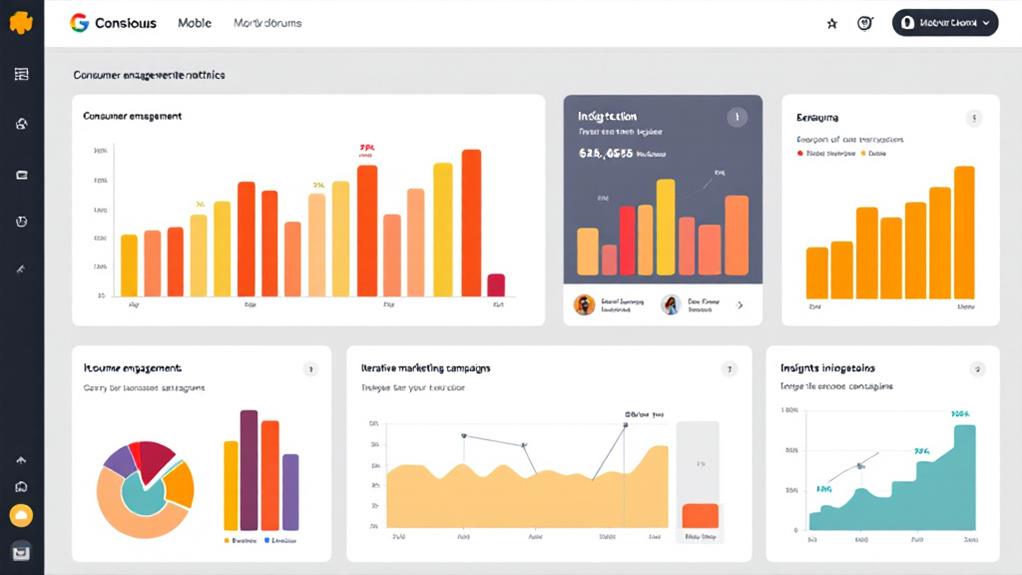
Regularly tracking key performance indicators (KPIs) like brand sentiment, ethical product sales, and customer retention is crucial to continuously evaluating the effectiveness of your marketing efforts. Leverage A/B testing and user feedback to refine your messaging, advertising, and content that resonates with conscious consumers and drive desired actions. Analyze data from website analytics, social media engagement, and customer surveys to identify areas for improvement and optimize your overall marketing strategy.
Stay agile and nimble, adjusting your approach in response to evolving consumer preferences, industry trends, and emerging social/environmental issues. Cultivate a culture of continuous learning and adaptation, using data-driven insights to inform your decision-making and ensure your brand's conscious marketing initiatives remain impactful and relevant. By measuring and iterating based on brand sentiment, customer retention, and other key metrics, you can guarantee your marketing effectively connects with conscious consumers.
Empower Employees as Brand Ambassadors
Enabled employees can serve as powerful brand ambassadors, amplifying your conscious company's message and values across their professional and personal networks. When you empower your workforce, you're not just improving productivity - you're cultivating a sense of esteem and ownership that manifests in their interactions with customers and peers.
Equip your team with the knowledge and resources to confidently articulate your conscious business practices. Encourage them to share how your commitment to creating a better world resonates with them on a personal level. People are far more likely to connect with a brand when they hear these authentic stories from your employees - the real faces behind your mission.
Recognize and reward those who exemplify your values. This reinforces the importance of their role as brand ambassadors and inspires others to follow suit. With an empowered, engaged workforce, you'll amplify your conscious company's impact far beyond traditional marketing channels.
Related posts