How Food Companies Are Adapting to the Rise of Health-Conscious Consumers

You're seeing food companies rapidly adapting to health-conscious consumers' growing demand for clean, minimally processed ingredients and sustainable practices. They're sourcing more plant-based and organic foods, implementing renewable energy, and reducing waste. They're leveraging technology to offer personalized dining experiences and balance affordability with quality. Menus are transforming to showcase nutritious options, and innovative solutions are tackling food waste. As the industry traverses this shifting terrain, you'll uncover the various ways food companies are metamorphosing to meet the preferences of today's health-focused consumers.
Evolving Consumer Preferences Toward Healthy Eating
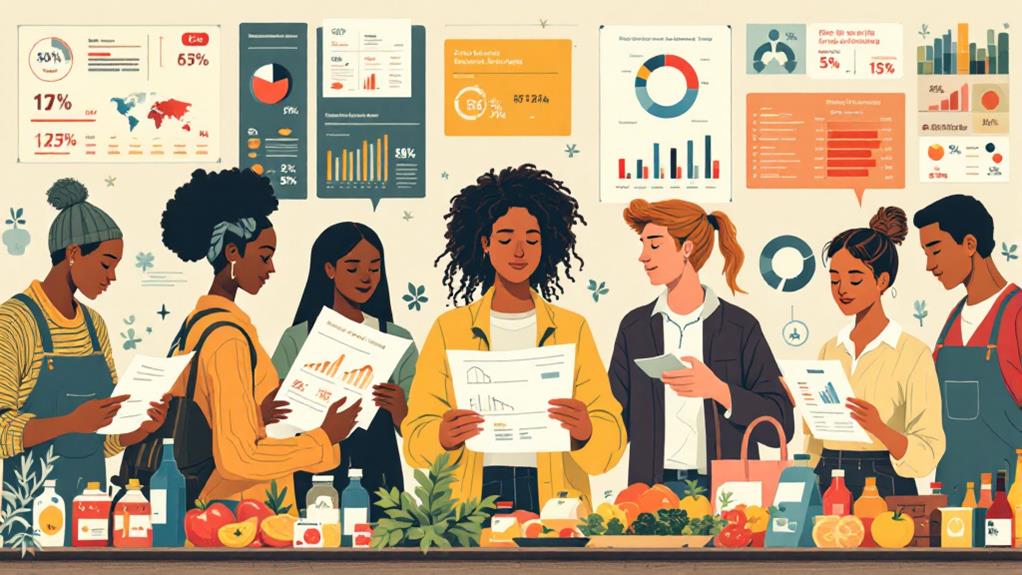
The rise of health-conscious consumers has dramatically reshaped the food industry. Driven by a 79% increase in interest for clean, minimally processed foods, today's consumers prioritize organic, plant-based, and sustainably-sourced ingredients. Brands must adapt to this trend, as 69% of consumers are willing to pay more for sustainable products.
To cater to the demand for healthy eating, fast casual brands are embracing innovation and personalization. They're offering more plant-based options and minimally processed menu items to meet consumers' shifting preferences. Additionally, the pandemic-driven 30% rise in food delivery has prompted brands to provide convenient, customized dining experiences.
However, the challenge of affordability looms large, with a 12% increase in food costs. Brands are responding by streamlining their menus and offering value-driven combos, ensuring health-conscious consumers can access nutritious meals without breaking the bank. As this shift towards wellness-focused dining becomes permanent, food companies must continually transform to stay relevant and meet the demands of this discerning consumer base.
Plant-Based and Minimally Processed Ingredients Rise
Consumers' steadfast demand for plant-based and minimally processed ingredients has become a defining force in the food industry. According to a recent McKinsey study, consumer interest in clean, minimally processed ingredients has increased by a staggering 79%. This shift in consumer preferences has pushed food companies to adapt, catering to the growing health-conscious consumer base.
The rise of plant-based and minimally processed ingredients is particularly prevalent in the fast-casual sector, where 79% of consumers prioritize health when dining out. This trend is further amplified by the 30% increase in food delivery services post-pandemic, as health-conscious consumers seek convenient access to healthier choices.
Importantly, 69% of consumers are willing to pay more for sustainable products, highlighting the commercial viability of this shift. Food companies that successfully incorporate plant-based and minimally processed items into their menu can expect a 15% increase in customer retention through personalized experiences, as revealed by Paytronix research.
Sustainability Efforts in Food Manufacturing

Responding to heightened consumer demand for sustainable practices, food manufacturers have intensified their sustainability efforts. Food companies are increasingly adopting renewable energy, reducing waste, and sourcing more plant-based and minimally processed ingredients. These sustainability initiatives not only appeal to health-conscious consumers but also align with the industry's long-term environmental goals.
Many food manufacturers have set ambitious targets to reduce their carbon footprint, water usage, and waste. Some are investing in solar and wind power to power their facilities, while others are finding innovative ways to repurpose food by-products. The shift towards plant-based and minimally processed ingredients further reinforces sustainability, as these options generally have a lower environmental impact compared to traditional animal-based and highly processed items.
Consumers are applauding these sustainability efforts, as they recognize the importance of environmental stewardship in the food system. As health-conscious trends continue to shape the industry, food companies that prioritize sustainability will likely gain a competitive edge and solidify consumer trust.
Leveraging Technology for Personalized Dining Experiences
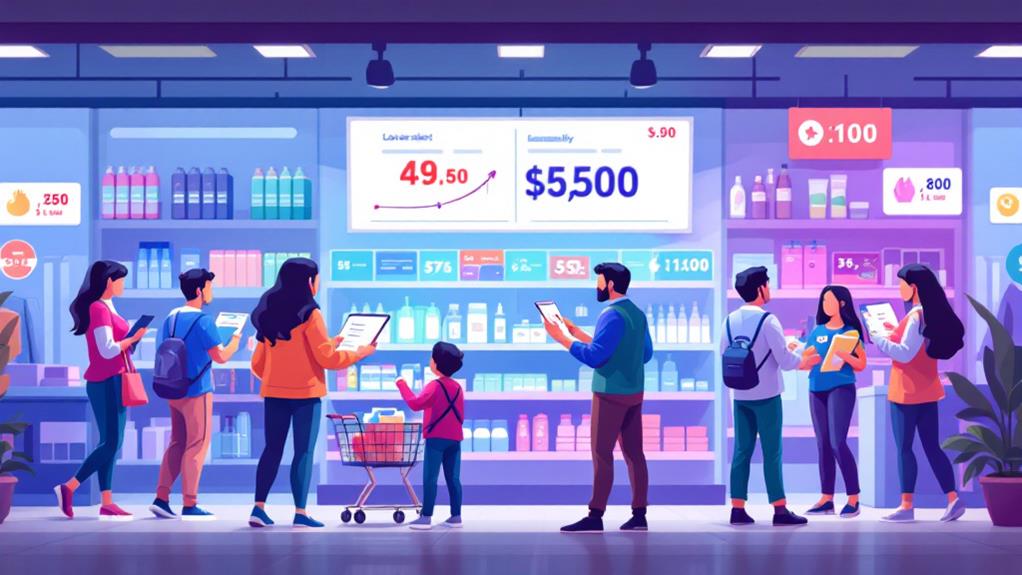
As health-conscious trends continue to shape the industry, fast casual brands are leveraging technology to enhance customer experiences and meet the demands of this changing consumer base. The increased use of mobile apps and online ordering platforms has enabled these brands to offer customizable meal options and real-time order tracking, catering to consumers' desires for convenience and personalization. Moreover, AI-driven loyalty programs are providing personalized rewards and experiences, leading to a 15% increase in customer retention, as Paytronix research has shown.
The pandemic has also driven a 30% increase in food delivery services, according to McKinsey, prompting fast casual brands to prioritize digital convenience and personalization. By leveraging technology, these brands are shaping the future of the food industry, offering personalized dining experiences that are essential in a market where a 15% increase in customer retention can be achieved through such efforts. Ultimately, the rise of health-conscious consumers is altering the industry, and fast casual brands are at the forefront of this trend, using technology to deliver the experiences these consumers demand.
Balancing Affordability and Quality for Consumers
Affordability has become a paramount concern as inflation drives up food costs by 12%, forcing health-conscious consumers to be more discerning in their dining choices (Restaurantware). Fast casual brands are responding by offering value-driven combos and simplified menu options to maintain affordability without compromising on ingredient quality.
To balance affordability and customer expectations, food companies are employing various strategies:
- Incorporating more affordable yet healthy ingredients
- Streamlining operations to reduce overhead
- Leveraging technology to improve efficiency and reduce waste
- Emphasizing the nutritional value of their meals to justify the price point
The ability to offer affordable, high-quality dining options will be a key factor in the future success of health-conscious fast casual brands. By prioritizing both cost and customer satisfaction, these companies can cater to the changing needs of the modern consumer.
Adapting Menus to Meet Health-Conscious Demands
Recognizing the shifting priorities of health-conscious consumers, fast casual brands are revamping their menus to showcase more plant-based proteins, low-calorie options, and nutritious ingredients. Responding to the increased consumer demand for clean, minimally processed foods, these brands are adapting their recipes and product offerings to cater to the growing preference for healthier dining choices.
From plant-based milk and meat alternatives to lively salads and grain bowls, the fast casual sector is embracing innovation to meet the evolving needs of its customer base. Notably, 79% of consumers have expressed a heightened interest in clean, minimally processed ingredients, prompting food companies to prioritize transparency and traceability in their sourcing and production practices.
Furthermore, the fast casual industry is well-positioned to use data-driven insights and technology to personalize menu options, ensuring that health-conscious consumers can find the nutritious, sustainable, and affordable meals they desire. As the demand for wellness-focused dining continues to rise, this active sector remains ready to lead the charge in adapting to the preferences of today's health-conscious consumers.
Combating Food Waste Through Innovative Practices
Food companies are tackling the pressing issue of food waste through a range of innovative practices. By implementing inventory management systems, food companies can better forecast demand and reduce overproduction, leading to a 20% reduction in food waste. Additionally, restaurants are donating unsold food to food banks and shelters, preventing 68 million tons of food from ending up in landfills each year.
Grocery stores are partnering with apps like Too Good To Go to sell discounted items nearing expiration, diverting 3.8 million tons of food waste annually. Moreover, food manufacturers are repurposing imperfect or surplus produce into new products, such as Imperfect Foods using 'ugly' fruits and vegetables to make juices and snacks.
- Optimizing product ordering and display to minimize spoilage
- Partnering with food rescue organizations to donate unsold food
- Repurposing surplus or imperfect produce into new food and drink products
- Leveraging technology to sell discounted items before they expire
Navigating the Shifting Landscape of the Food Industry
The food industry's terrain is rapidly changing, as health-conscious consumers demand more transparency and innovative products. Processed food is no longer the norm, as almost half of consumers are willing to pay more for minimally processed, organic offerings. Fast casual brands have responded by incorporating nutrition-focused recipes and sustainable sourcing practices.
Consumers now seek convenience without compromising quality, leading to the increased use of mobile apps and online ordering platforms. This shift has created a need for personalized loyalty programs that cater to individual preferences.
Balancing affordability and quality is a significant challenge as food companies traverse rising costs due to inflation. However, those willing to adopt innovation and sustainability will thrive. The future belongs to brands that prioritize plant-based and organic options, meeting the growing demand for healthier choices among health-conscious consumers.
Related posts