How Can We Promote Conscious Consumerism? Effective Strategies for Brands

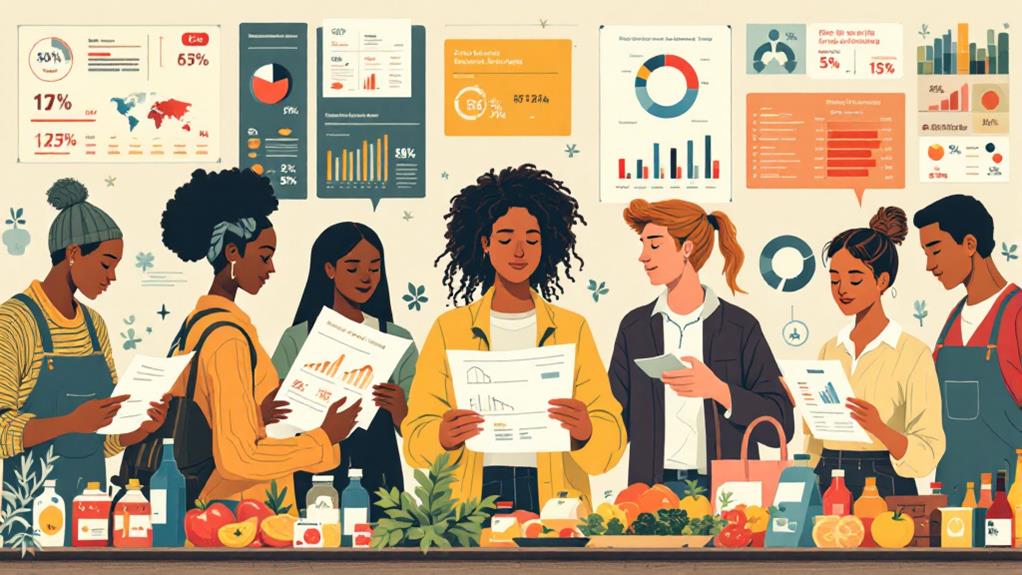
To encourage conscious consumerism, brands should start by providing transparent business practices - publicly disclosing information about sourcing, production, labor, and environmental impact. Emphasize sustainable product offerings, repair and resale programs, and collaborate with experts to validate claims. Engage in philanthropic efforts, partner with non-profits, and integrate purpose into your brand's identity. Harness influencers who embody conscious values, and create educational content to inspire behavior change. Nurture open dialogue, gather customer feedback, and showcase the real-world impact of conscious consumerism. These strategies can empower your audience to adopt sustainable consumption habits. There's more to investigate on this topic.
Provide Transparent Business Practices
By providing transparent business practices, you can build trust with conscious consumers. Publicly disclose information about your sourcing, production processes, labor policies, environmental impact, and social initiatives. Offer third-party certifications, detailed sustainability reports, and thorough product information to demonstrate your commitment to ethical and sustainable operations.
Conduct regular supply chain audits, trace raw materials, and share factory working conditions to verify your claims of social and environmental responsibility. Highlight your philanthropic efforts, community engagement, and advocacy for important causes, allowing consumers to align their values with your company's purpose.
Leverage digital platforms to tell authentic brand stories and engage with customers in an open dialogue, enhancing transparency and accountability. This approach can help you attract conscious consumers who prioritize transparency, environmental sustainability, and corporate social responsibility.
Emphasize Sustainable Product Offerings
A diverse range of sustainable product selections allows conscious consumers to make ethical choices across their entire shopping basket. By emphasizing sustainable product attributes like recycled/recyclable materials and circular economy principles, brands can promote conscious consumerism. Repair and resale programs that extend product lifespans further demonstrate a brand's commitment to sustainability.
Brands should clearly communicate the environmental and social impact of their sustainable product lines, highlighting certifications, manufacturing processes, and supply chain transparency. This builds trust with conscious consumers seeking to make informed choices. Collaborating with environmental non-profits or sustainability experts can strengthen brand credibility by validating sustainable product claims.
Continually investing in research and development to improve the sustainability of product design, materials, and production methods demonstrates a long-term commitment to conscious consumerism. Ultimately, offering a diverse range of sustainable products enables conscious consumers to make ethical decisions across their purchasing behaviors.
Engage in Philanthropic Endeavors

Brands can further demonstrate their commitment to conscious consumerism by engaging in philanthropic efforts. Partnering with non-profit organizations and charities allows brands to showcase their dedication to social causes and environmental sustainability. Donating a percentage of profits or products to support these initiatives helps establish the brand's credibility as a socially responsible company.
Sponsoring community programs, volunteering, and organizing fundraising events enable brands to directly engage with their target audience and build brand loyalty among conscious consumers. Highlighting the positive social impact of these philanthropic undertakings through transparent communication can inspire consumers to support brands that align with their values. Integrating philanthropy into the core of a brand's identity and business model signals a genuine commitment to sustainability and social responsibility.
Leverage Influencer Collaborations
Partnering with social media influencers who embody conscious consumer values can help you authentically reach and engage with like-minded audiences. Influencer collaborations on educational content about sustainable product features, ethical manufacturing practices, and brand philanthropy can build consumer trust and loyalty. Leveraging influencers' personal stories and product testimonials can encourage their followers to make more conscious purchasing decisions.
By co-creating branded content with influencers that highlights the positive social and environmental impact of conscious consumerism, you can inspire behavior change and cultivate a community of loyal conscious consumers. Some key benefits of this approach include:
- Strengthening your brand's commitment to sustainable practices and social issues.
- Gaining a competitive edge by appealing to the growing conscious consumer market.
- Supporting companies that align with your values and making a positive impact.
Foster Consumer Education and Feedback

Regularly educate consumers on the meaning and impact of conscious consumerism through informative content and customer engagement. Provide transparent information about your brand's sustainability practices, material sourcing, and ethical labor standards to enable informed decision-making. Consumers are increasingly aware of the social and environmental impact of their shopping habits, so it's crucial to equip them with the knowledge to make more conscious choices.
Encourage customer feedback and open dialogue to understand their preferences and refine your conscious consumer-oriented strategies. This two-way communication will help you address their evolving needs and concerns, ultimately strengthening your brand's positive reputation. Partner with influencers, industry experts, and community organizations to amplify your commitment to conscious consumerism and showcase its real-world impact. By nurturing consumer education and feedback, you'll empower your audience to adopt more sustainable consumption habits and drive meaningful change.
Incentivize Conscious Consumer Behavior
To encourage conscious consumer behavior, you can offer tangible incentives that make sustainable choices more appealing. As a brand, focus on building lasting relationships with your customers by rewarding them for their conscious decisions.
For example:
- Implement a loyalty program that grants points or discounts for purchases of your brand's sustainable or ethically-sourced products.
- Offer trade-in or buyback schemes that encourage customers to responsibly dispose of or recycle used items, making it easier for them to adopt conscious consumption habits.
- Partner with non-profit organizations to raise awareness and educate consumers on the importance of sustainable and socially responsible business practices, inspiring them to become more conscious consumers.
Related posts